

Support UP-STREAM
Transforming suicide prevention
Suicide is one of Australia’s most urgent and complex health challenges, with almost 9 lives lost every day and many more impacted by suicidal thoughts and attempts. Despite this, current approaches largely intervene too late – once suicidal thinking has already taken hold and difficult to reverse. UP-STREAM takes a fundamentally different approach, targeting the earliest stages of suicidal thinking to enable timely, effective intervention.
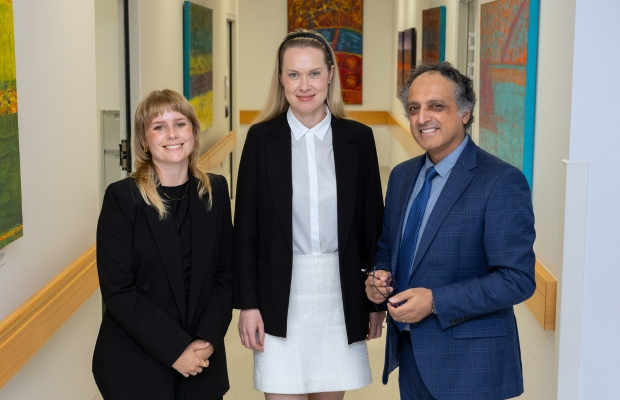
“Presentations for suicidal ideation occur across the entire age spectrum, and for a multitude of reasons. For young people, it might be relationship breakdown, for older people, it might be cognitive impairment. There is a huge and varied spectrum of reasons.”
– Dr Erica Bell, Scientific Officer, CADE Clinic, Royal North Shore Hospital
A growing national crisis
Almost 9 deaths every day in Australia
150 suicide attempts daily
1.4 million crisis calls annually
Suicide is the leading cause of death for young Australians and continues to rise across multiple demographics. Beyond the devastating human toll, it places immense strain on families, communities and the healthcare system. Yet suicide is preventable – with the right intervention at the right time.
A system that intervenes too late
Current suicide prevention systems are largely reactive, focusing on crisis intervention after suicidal ideation has already taken hold. Once these thoughts become entrenched, they alter brain pathways, making recovery more complex and increasing the risk of future attempts. By failing to address the early stages of suicidal thinking, critical opportunities for prevention are missed.
“Once suicidal ideation takes hold, it’s like someone has you by the throat. It obliterates rational thought and reinforces hopelessness.”
– Professor Gin Malhi, Executive & Clinical Director, CADE Clinic, Royal North Shore Hospital

Intervening earlier. Saving lives.
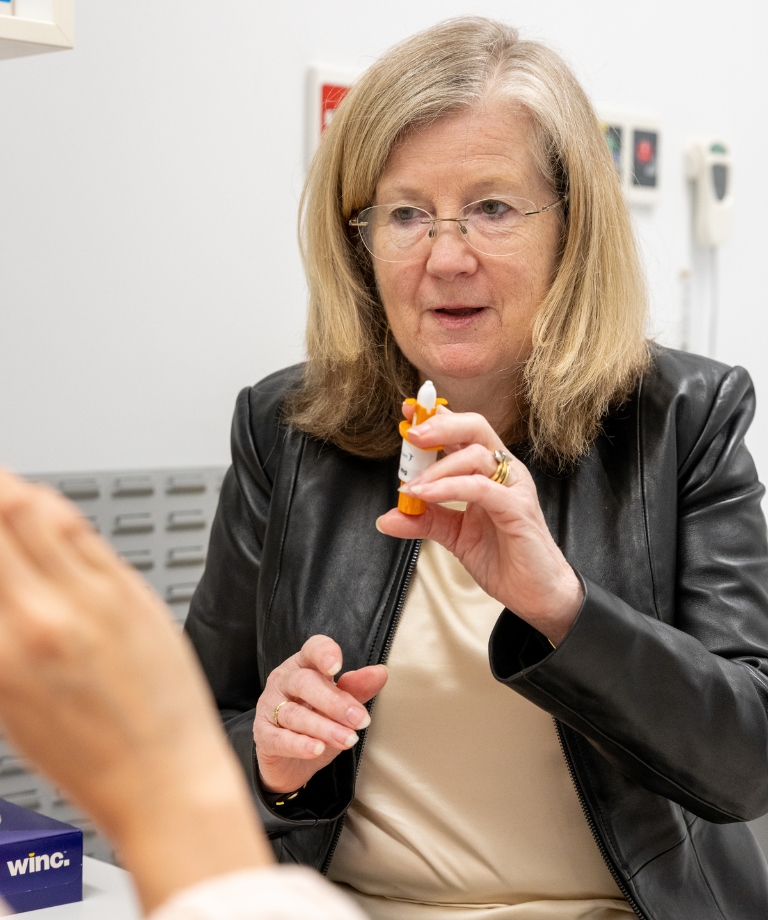
UP-STREAM is designed to identify and intervene during the earliest stages of suicidal thinking – when individuals first experience distress, entrapment and loss of control. The program integrates clinical care, telehealth monitoring and a novel treatment approach using esketamine, a fast-acting therapy shown to interrupt suicidal thoughts and enable clearer, more rational thinking.
Through this approach, UP-STREAM will:
- Deliver care in the community, supported by telehealth, so people can remain connected to their everyday lives
- Monitor changes in thoughts and symptoms in real time, enabling earlier and more personalised support
- Use esketamine to rapidly interrupt suicidal thinking and restore clearer, more rational thinking
- Develop the Integrated Suicide Assessment Tool (iSAT), a predictive tool to detect early warning signs and guide intervention
“By defining suicide as a process, not an event, we can give people hope.”
– Dr Kinga Szymaniak, Senior Research Officer & Postdoctoral Researcher, CADE Clinic, Royal North Shore Hospital
From crisis response to prevention
UP-STREAM has the potential to transform suicide prevention by shifting the focus from crisis response to early intervention. By detecting suicidal thinking earlier and intervening more effectively, the program will improve long-term mental health outcomes and reduce pressure on emergency services.
The research will deliver:
- Earlier detection of suicidal thinking
- Reduced emergency department presentations
- Improved long-term outcomes
- Scalable national and global solutions
Total investment needed: $2.83M over 3 years
Related Clinical Trial Projects