Preventive Medication
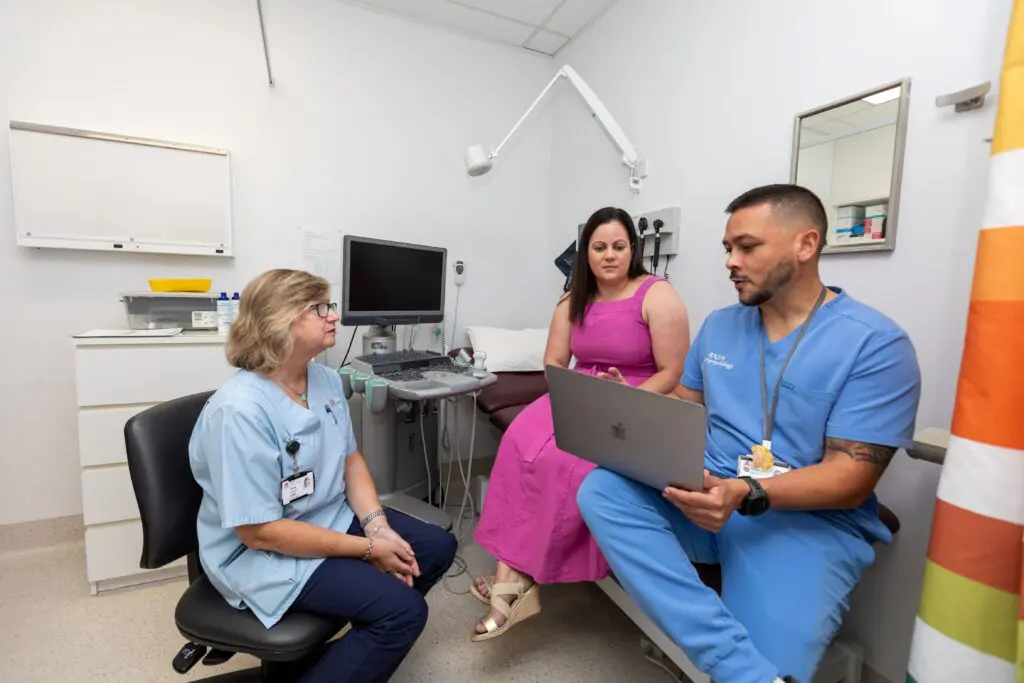
Participants carry a small supply of low-dose aspirin and/or a beta-blocker, ready for use when a trigger occurs.

Heart attack and stroke remain among the leading causes of death worldwide, often striking suddenly and without warning. Yet many cardiovascular events are triggered by identifiable short-term factors such as emotional stress, illness, or intense physical exertion. Emerging research shows these triggers can dramatically increase the risk of a cardiac event in the minutes or hours that follow.
Triggered Acute Risk Prevention (TARP) is a pioneering research initiative that translates this knowledge into practical prevention. The program empowers people to recognise these moments of heightened risk and take simple protective actions that may reduce the likelihood of a heart attack or stroke. By combining simple medications with digital guidance, TARP gives individuals practical tools to manage acute risk in real time.
Philanthropic support can help advance this research and bring innovative prevention strategies to people at risk – helping stop heart attacks and strokes before they occur.
“Heart attacks and stroke are often seen as sudden and unavoidable. Our research shows they don’t have to be.”
– Professor Geoffrey Tofler, Staff Specialist in Cardiology, Royal North Shore Hospital
While traditional prevention focuses on long-term risk factors like cholesterol and blood pressure, many heart attacks and strokes still occur suddenly – even among people managing their long-term cardiovascular risk. Research shows that acute triggers can dramatically increase the likelihood of a cardiac event in the hours immediately following exposure. Until now, this knowledge has rarely been applied in real-world prevention strategies.
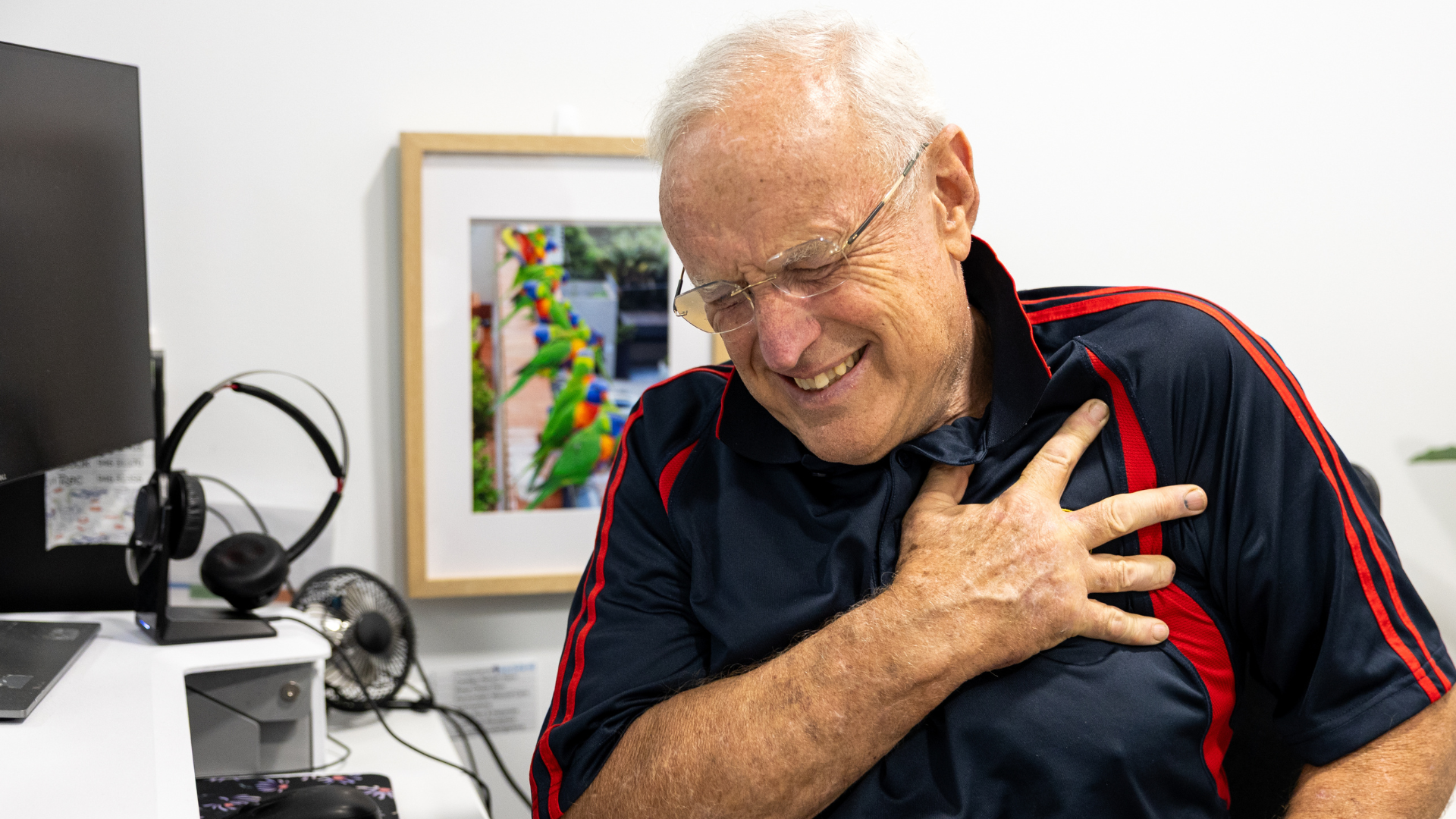
Acute triggers are everyday events that temporarily place extra strain on the heart, creating moments of heightened risk. Common triggers include:
For many people, these vulnerable moments pass without warning — and until now, there have been few practical ways to reduce risk when they occur.
TARP provides a practical strategy that allows individuals to take preventive action when a trigger occurs. The approach combines medication, digital technology and clinical research to support prevention in real time.
The program includes three integrated components:
“For the first time, we can give people the tools to protect themselves when their risk of heart attack suddenly rises.”
– Dr Philippa Heighes, Senior Research Nurse Coordinator, Cardiology, Royal North Shore Hospital
TARP represents a new approach to prevent cardiovascular disease – moving beyond treatment to empower people to act during moments of heightened risk. By combining medication, behavioural science and digital technology, the program aims to prevent thousands of heart attacks and strokes before they occur.
The global clinical trial will generate critical evidence to guide clinicians and patients worldwide and establish a scalable model for preventing cardiovascular disease.
The research will deliver:
Funding overview: Total investment needed: $7.7M over 5 years