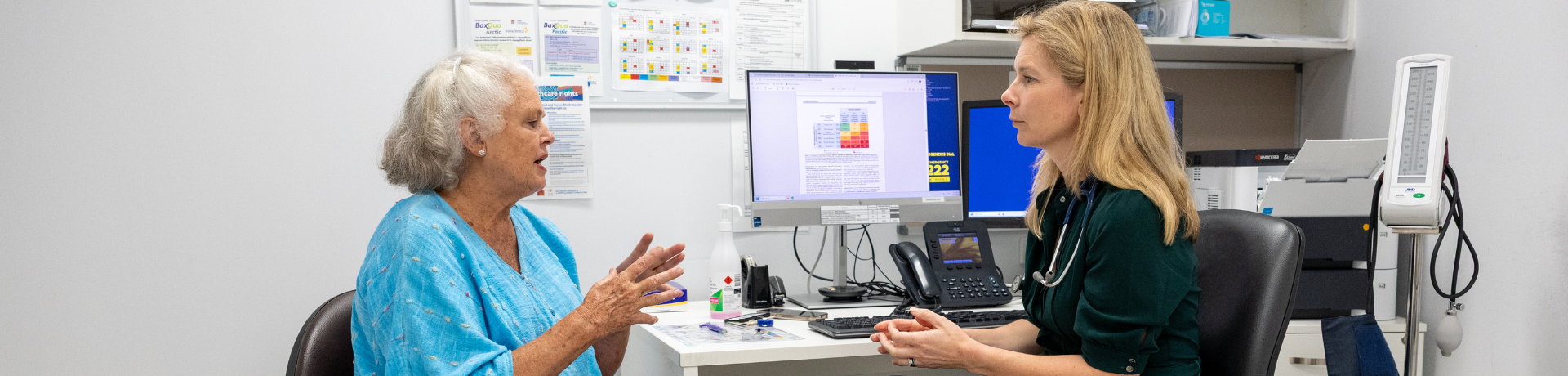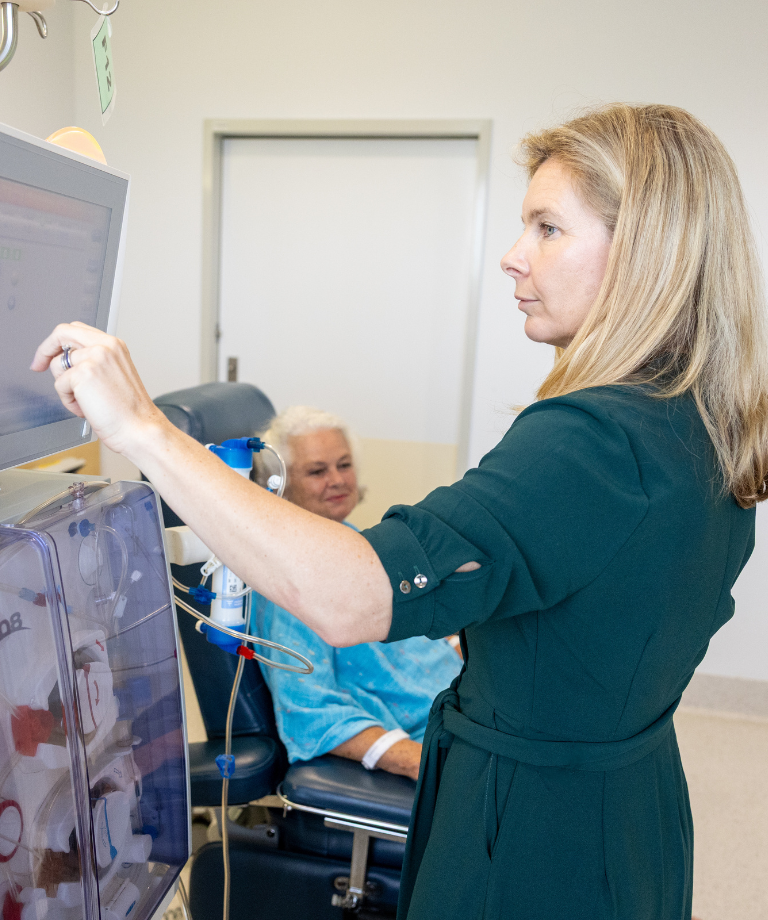
Female doctor with female patient Female doctor with female patient

Support IRONHEART-CKD

Chronic kidney disease and heart failure claim thousands of lives each year. Your support can help fund a world-first trial using intravenous iron to improve heart and kidney outcomes, bringing life-changing research closer to patients.
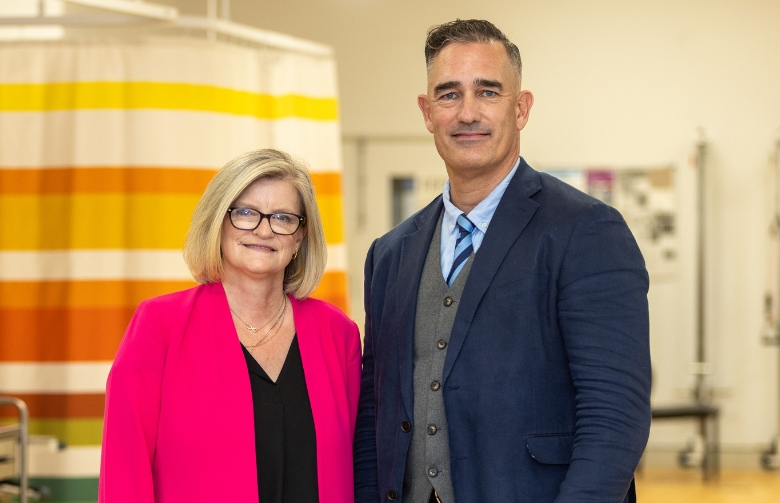
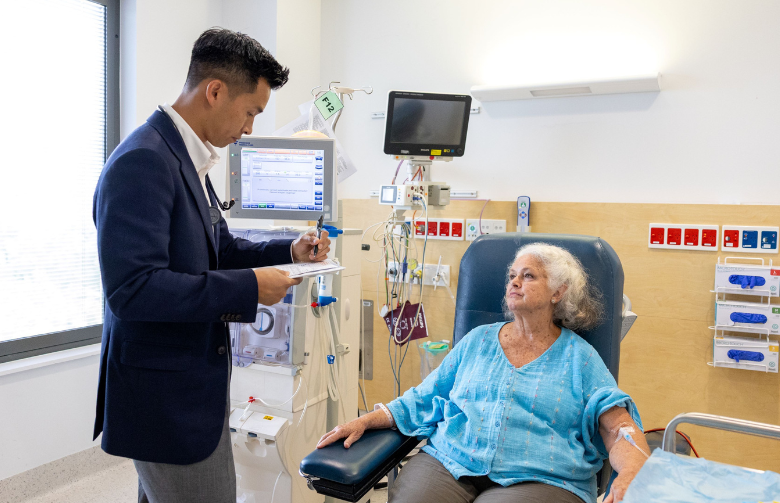
Associate Professor Brendon Neuen with female patient
Royal North Shore Hospital
22 Projects
View Facility
0%
$5,250,000
$80
$5,249,920

Revolutionising treatment for chronic kidney disease and heart failure

Chronic kidney disease (CKD) is one of the fastest growing global health challenges, with most patients dying from cardiovascular disease before reaching kidney failure. Heart failure and kidney disease are deeply interconnected, yet current treatments often address them separately.

IRONHEART-CKD is a world-first international clinical trial investigating whether a simple, widely available treatment – intravenous iron – can transform outcomes by targeting iron deficiency, one of the most common and under-recognised complications of CKD. This new approach aims to reduce heart failure, improve physical function, and help people with CKD live longer.

Your support will help bring this groundbreaking research to life – accelerating a new model of care that treats the heart and kidneys together, improves quality of life, and saves lives.

“Heart failure is one of the most common complications of kidney disease – it is impossible to separate one disease from the other.”

– Associate Professor Brendon Neuen – Staff Specialist Nephrologist and Director, Royal North Shore Hospital


A growing global health crisis

850 million people

are affected globally by chronic kidney disease

2 million Australians

live with CKD - only 10% are aware

CKD patients

are 2–3 times more likely to die from cardiovascular disease

Chronic kidney disease is often described as a silent disease, with individuals losing up to 90% of kidney function before symptoms appear. Despite its scale, it remains underdiagnosed and undertreated. Iron deficiency affects at least one-third of patients, contributing to fatigue, reduced physical function and increased strain on the heart, yet treatment is often delayed until anaemia develops.

Most people with CKD will ultimately die from cardiovascular disease, particularly heart failure – highlighting a critical need for new approaches that address both conditions together.

“Treatments that protect the kidney also tend to protect the heart.”

– Associate Professor Brendon Neuen – Staff Specialist Nephrologist and Director, Royal North Shore Hospital

A simple treatment with global potential

IRONHEART-CKD will test whether intravenous iron can improve survival, reduce heart failure and enhance quality of life for people with CKD. This international, randomised trial will recruit 1,200 participants across 60 hospitals in five countries over two years.

Key outcomes:

  • Survival
  • Prevention of heart failure
  • Physical function and quality of life
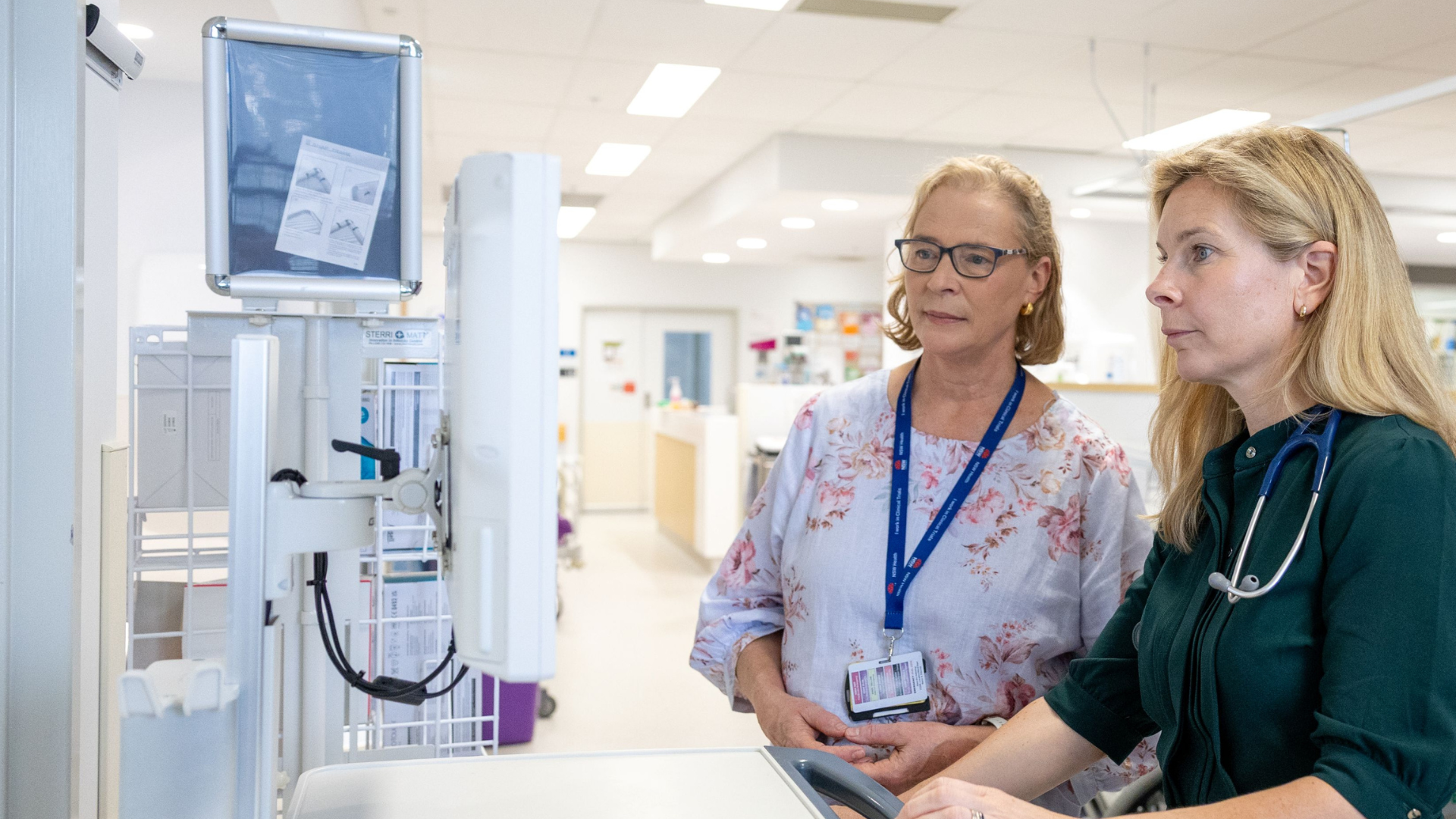
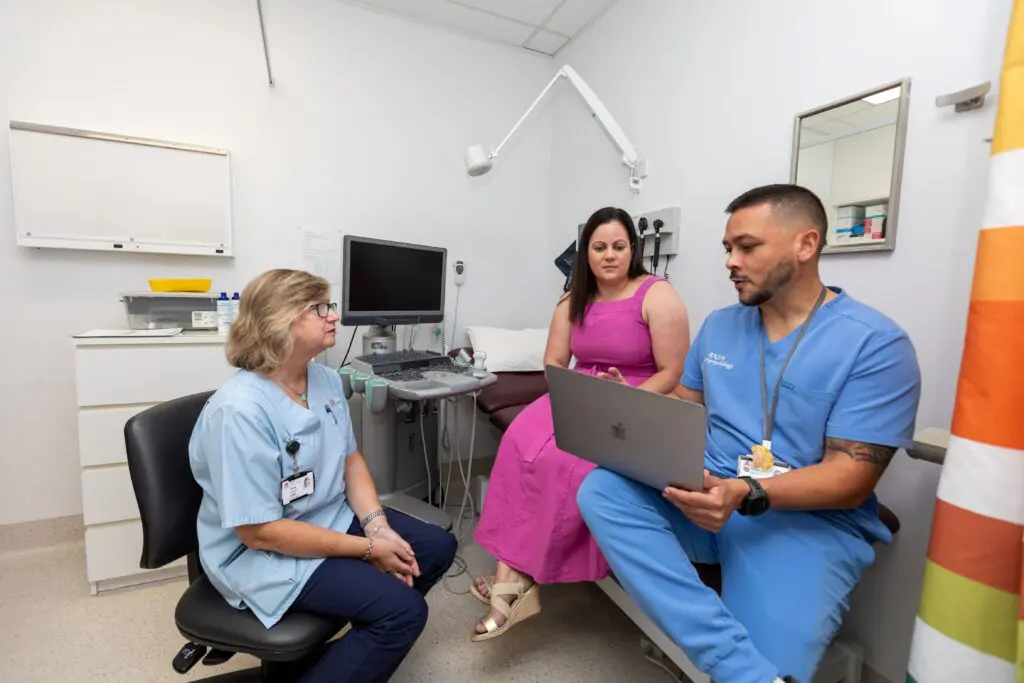
Female nurse with female doctor
WHY YOUR SUPPORT MATTERS

One study. Global impact.

IRONHEART-CKD represents a once-in-a-generation opportunity to transform care for millions of people worldwide. By generating definitive evidence, the trial could rapidly influence global clinical guidelines and standard care.

The research will deliver:

  • Reduced hospitalisations for heart failure
  • Improved strength and daily functioning
  • Extended survival
  • Globally scalable evidence

Funding overview: Total investment needed: $5.25M over 5 years

Support IRONHEART-CKD

Related Clinical Trial Projects

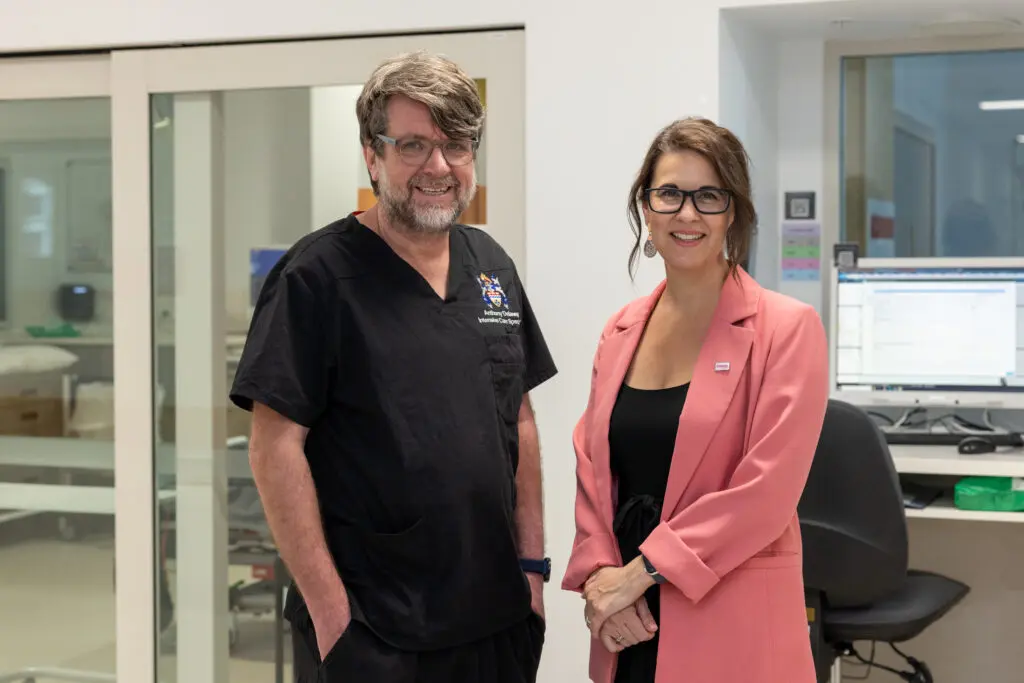
Associate Professor Naomi Hammond and Associate Professor Anthony Delaney
Adaptive Platform for Sepsis Care
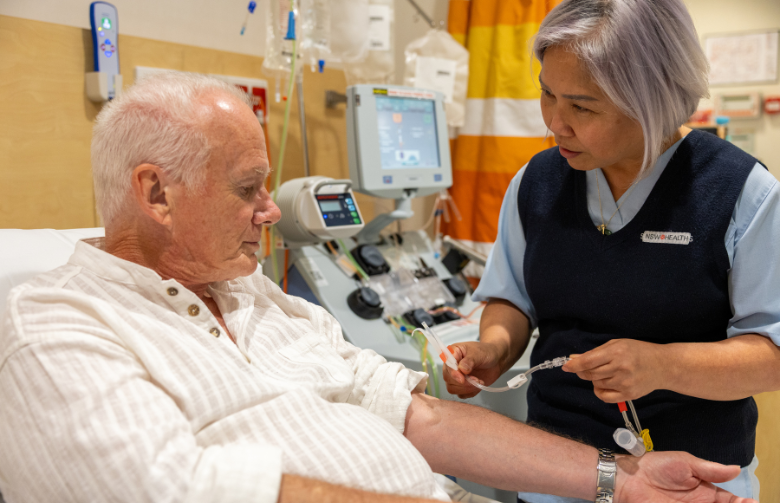
Nurse with patient in hospital
Cancer Cellular Immunotherapy Service
Female nurse with female patient in hospital
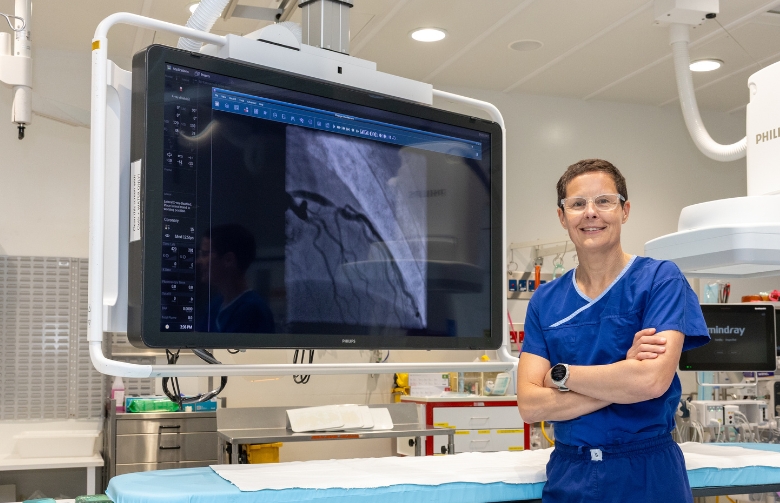
Early Detection of Coronary Artery Disease
Female nurse looking at her monitor
Liquid Biopsies
MuscleMap
NORTH STAR Van Norton Poche
Nurses with patient in hospital explaining concussion test results
Pathways of Care for Traumatic Injuries (PACE-TRI)
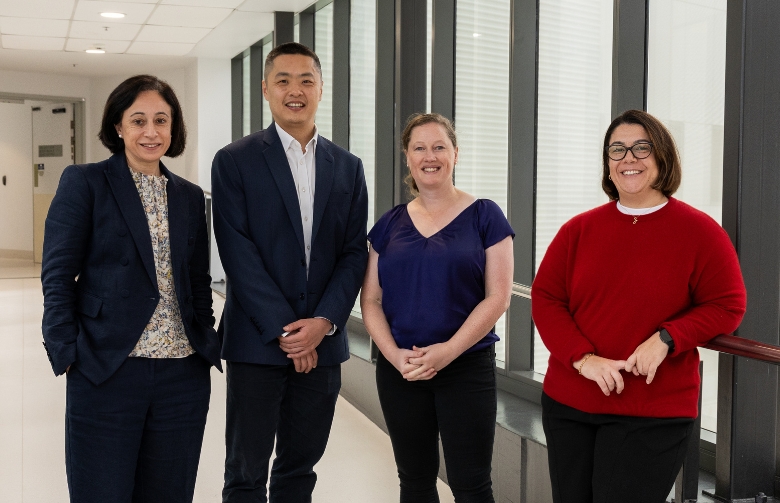
Dr Philippa Heighes, Professor Geoffrey Tofler
Triggered Acute Risk Prevention (TARP)
You can shape the future of healthcare for all
Give a gift that makes a real difference to our healthcare staff and facilities so they can deliver the best patient care.
Skip to content