Researchers at Royal North Shore Hospital are developing a world-first screening program to detect coronary artery disease before symptoms appear, supported by philanthropy through the NORTH Foundation.
Heart attacks often strike without warning. In Australia, one occurs every nine minutes and someone dies from a heart attack every 75 minutes. More than half of people who experience a heart attack report no prior symptoms, while 27% of first-time heart attack patients have no known risk factors.12
Researchers at Royal North Shore Hospital and the University of Sydney are working to change that with a new precision screening strategy designed to find silent coronary artery disease before it becomes a life-threatening event.
Current prevention largely relies on population risk factors such as cholesterol and blood pressure. While important, these measures can miss people who appear healthy but are developing dangerous coronary plaque – including younger people and women.
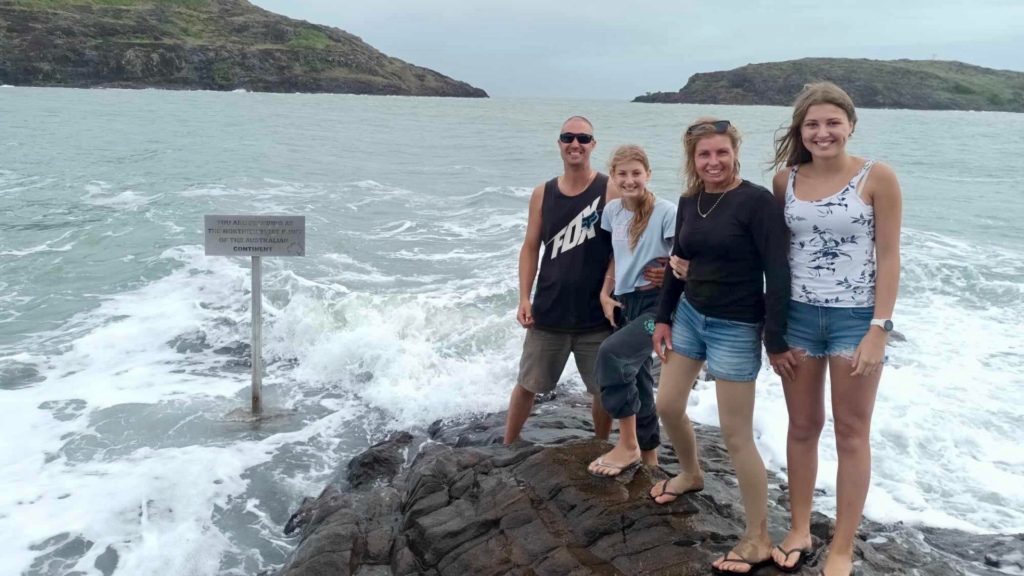
Jennifer Tucker was just 33 when she developed unstable cardiac symptoms. She ate well, exercised, did not smoke and had no known risk factors, yet doctors found life-threatening plaque in a coronary artery and she required a stent.
“I genuinely thought I was doing everything right, and yet it turned out I had life-threatening plaque in my coronary artery and needed a stent. I’ve always led a healthy lifestyle, so I never imagined something like this could happen to me,” Ms Tucker said.
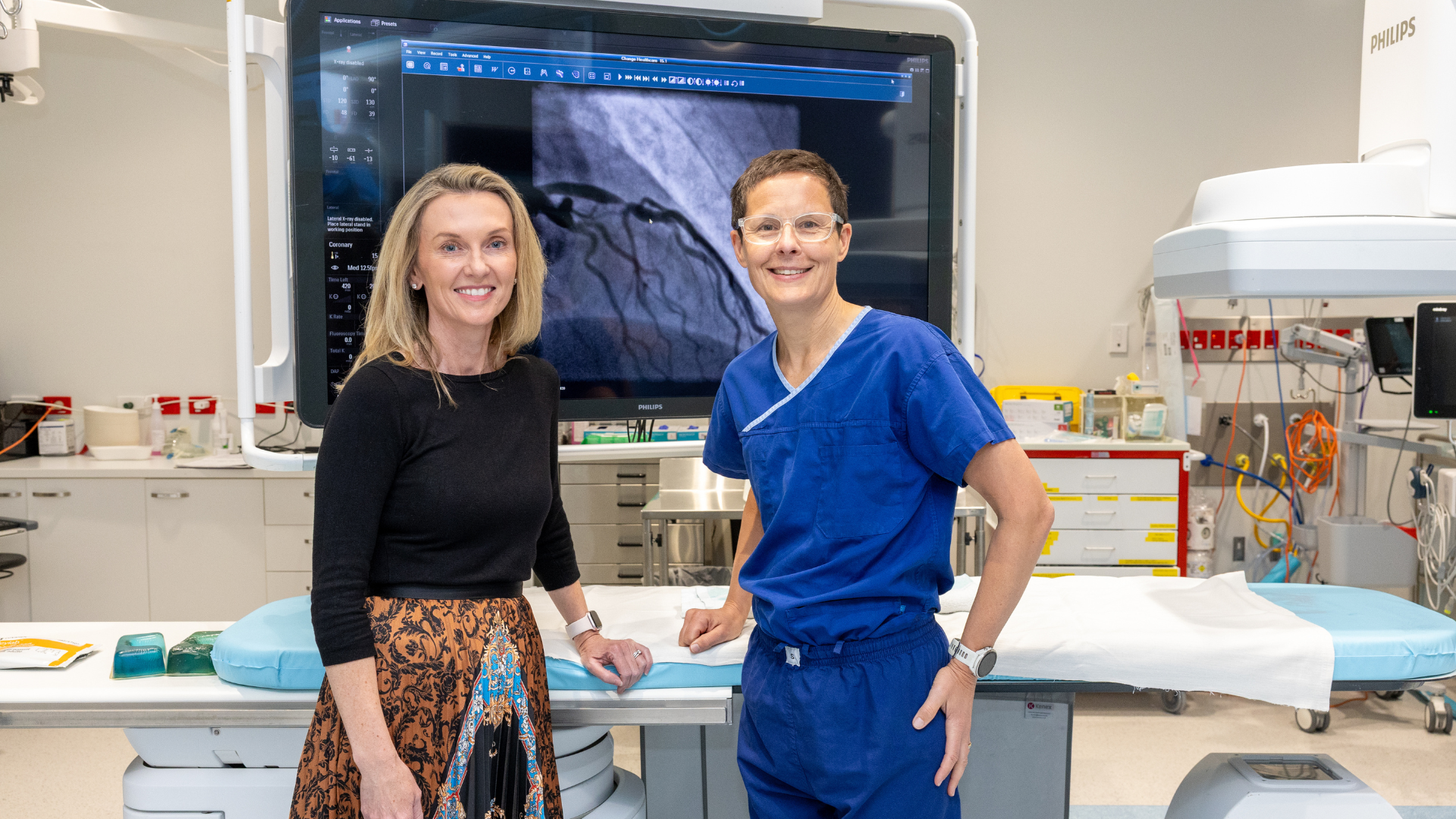
Professor Gemma Figtree AM, Interventional Cardiologist at Royal North Shore Hospital, said the research is tackling a major blind spot in heart attack prevention.
“Focusing only on population risk factors like smoking, high blood pressure, high cholesterol, and diabetes ignores less well understood factors driving individual susceptibility or resilience. Coronary disease and heart attack also affects young, fit and healthy people – not uncommonly with the first presentation of this with sudden death. Early detection of life-threatening plaque offers a chance to prevent heart attacks and deliver effective prevention to all who develop the disease, irrespective of their population risk factors,” Professor Figtree said.
Led by Professor Figtree, the “Early Detection of Coronary Artery Disease” program aims to combine new blood-based biomarkers and genetic risk assessment with advanced CT imaging to identify coronary artery disease in its earliest, silent stage and connect patients with treatment through primary care.
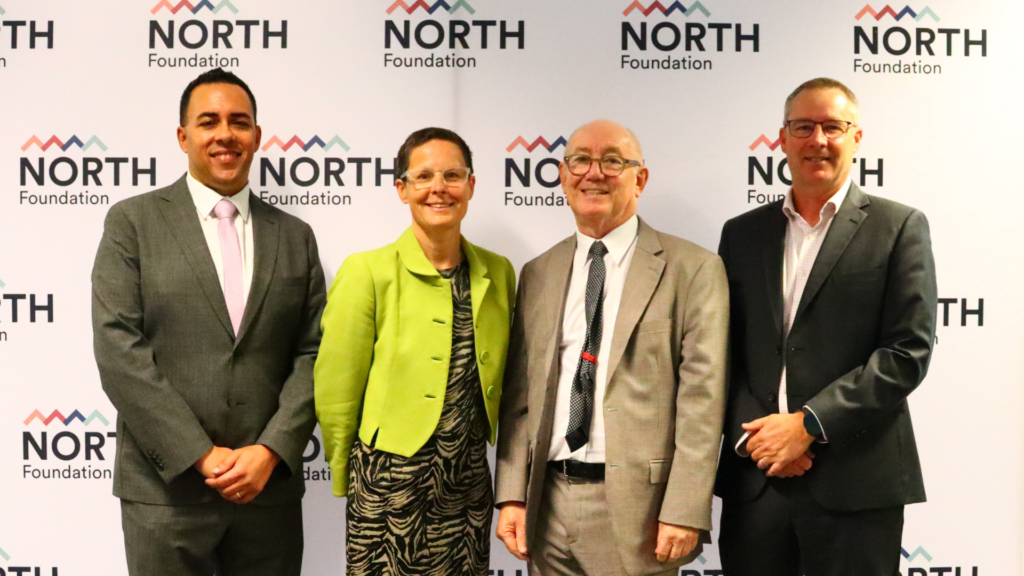
“Where someone lives or their financial circumstances should not determine their opportunity to benefit from medical research. Philanthropic donations through the NORTH Foundation can help make clinical trials and earlier detection more accessible by supporting the research and practical screening pathways needed to reach more people through their local GP. That includes rural and remote communities, First Nations Australians and people who face barriers to preventive care,” said Holly Brown, Philanthropy Campaign Manager at NORTH Foundation.
The Early Detection of Coronary Artery Disease program will:
- Identify people most likely to have silent coronary artery plaque through scalable blood-based biomarkers.
- Confirm and quantify the severity of the disease using CT imaging to inform a GP-led treatment pathway to stabilise the plaque and reduce heart attack risk.
- Expand early detection and treatment to rural, remote, First Nations and other communities that experience poorer cardiovascular outcomes and less access to preventive care.
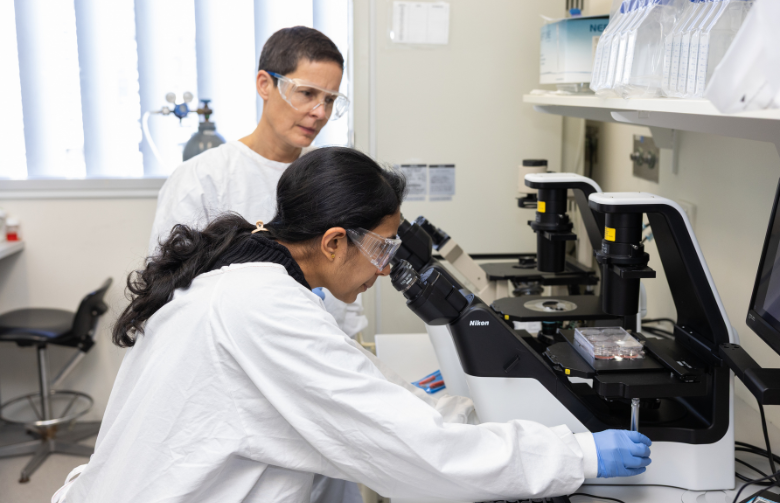
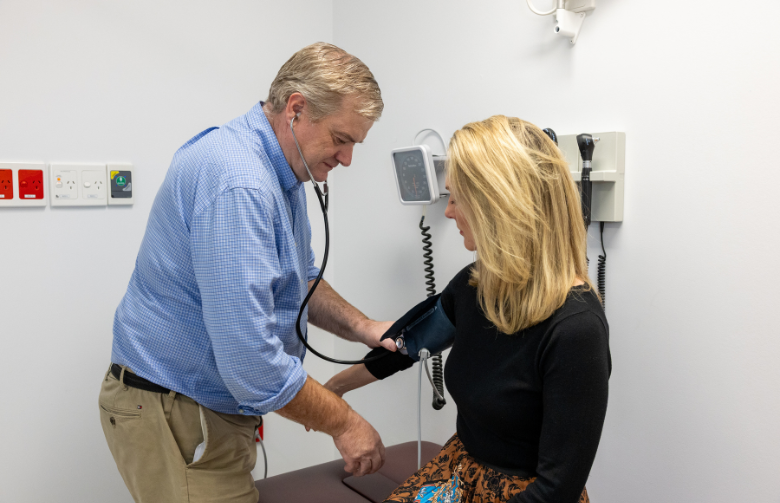
The work is already underway. More than 5,000 people have taken part in BioHEART, contributing CT images and blood samples that have helped identify multiple promising biomarkers. The ESCALATE pilot study has demonstrated the feasibility of testing new blood and genetic markers within routine clinical care, with the aim of helping GPs identify people who are more likely to benefit from CT imaging.
“We want to create a feasible, accessible pathway for reducing heart attack at the community level – a simple blood test that can help triage individuals for CT scan to detect coronary plaque early with consideration of equity and scale,” Professor Figtree said.
The need is particularly urgent outside major cities. Heart attacks are twice as common in Australia’s poorest postcodes, hospitalisation rates for coronary artery disease are higher in regional and remote Australia, and First Nations adults experience coronary artery disease and heart attacks at 2.8 times the rate of non-Indigenous adults.34
Dr Mark Tattersall, a GP in Bourke, sees the consequences of that inequity firsthand.
“As a GP in Bourke, I see the reality of this every day. I’ve had patients who didn’t survive because they were waiting for transport after a heart attack, or waiting for tests,” Dr Tattersall said.
“For communities like mine, earlier detection could mean fewer emergencies, fewer delays, and more lives saved.”
A philanthropic investment of $8 million over six years is being sought to accelerate clinical trials and biomarker validation, develop simple and affordable blood tests, build the infrastructure for GP-led screening and treatment, and ensure people in communities most at risk can benefit from earlier detection.
“We have the treatments to prevent heart attacks. What we need now is the ability to find disease early enough to use them,” Professor Figtree said.
“Philanthropy can help turn promising discoveries into care that reaches people when it can make the greatest difference. By supporting Early Detection of Coronary Artery Disease through NORTH Foundation, donors are helping advance research that aims to find hidden heart disease earlier, giving more people the chance to receive treatment before a heart attack occurs,” Ms Brown said.