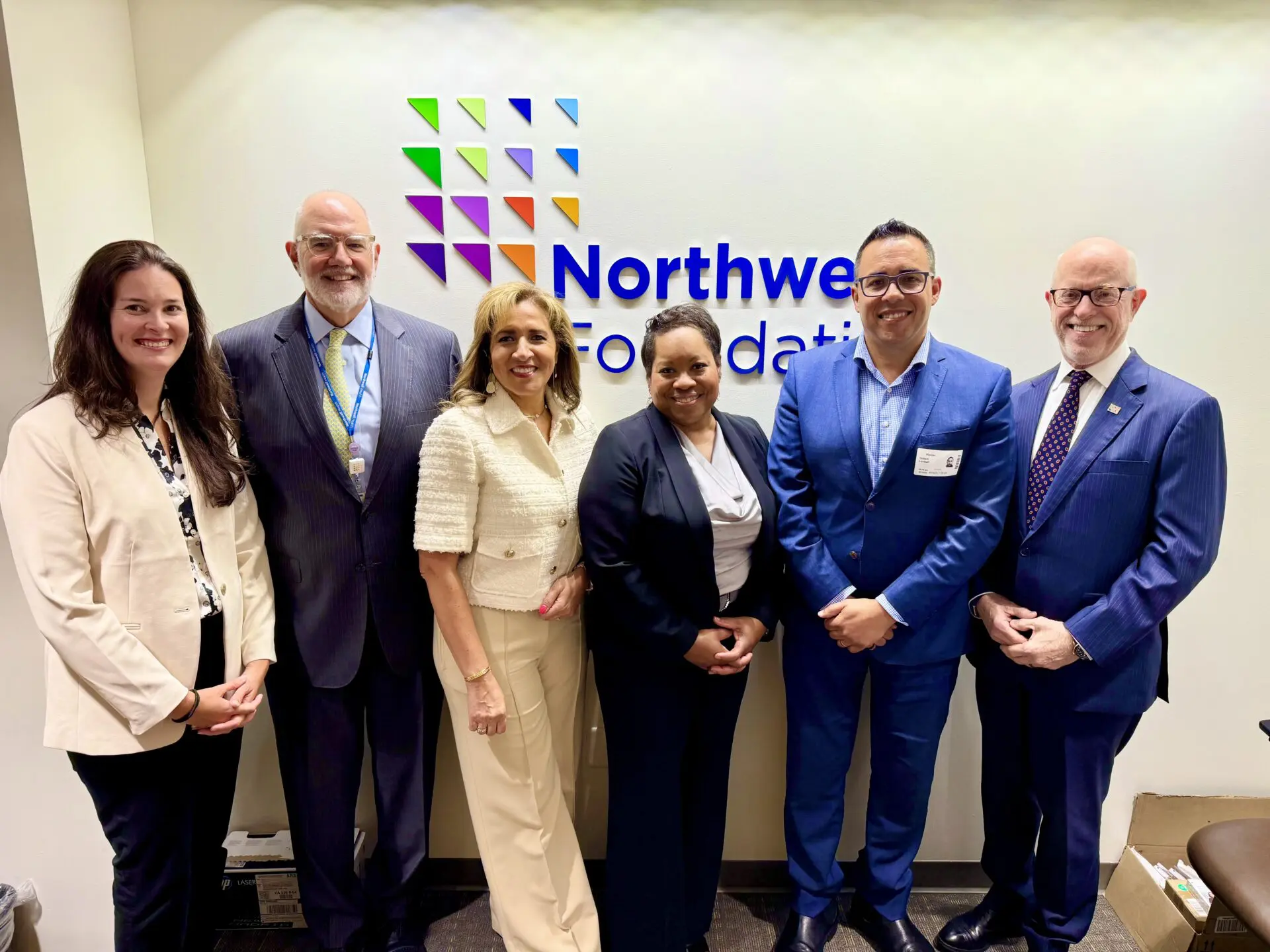
– by NORTH Foundation CEO, Gilbert Lorquet
In 2018, I was asked to build something bold – a philanthropic foundation capable of transforming fundraising and philanthropy across five hospitals and a medical research institute within the Northern Sydney Local Health District (NSLHD). The result was the NORTH Foundation. From a team of only three, raising a few million dollars each year, we’ve grown to twenty staff now raising over $20 million annually.
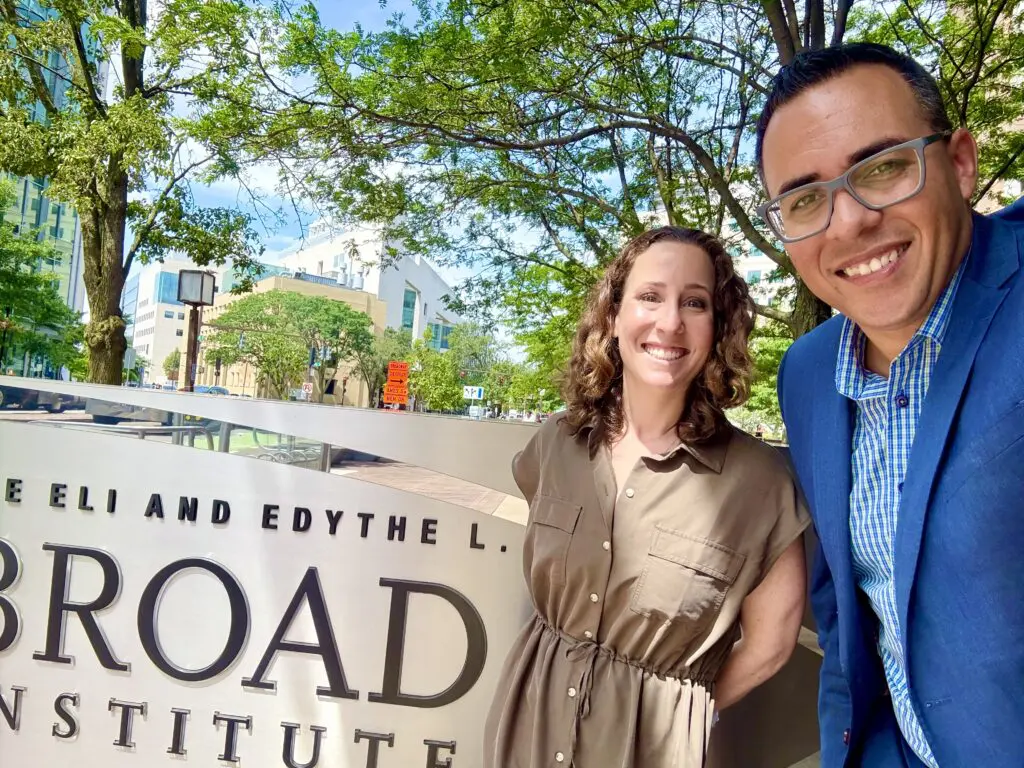
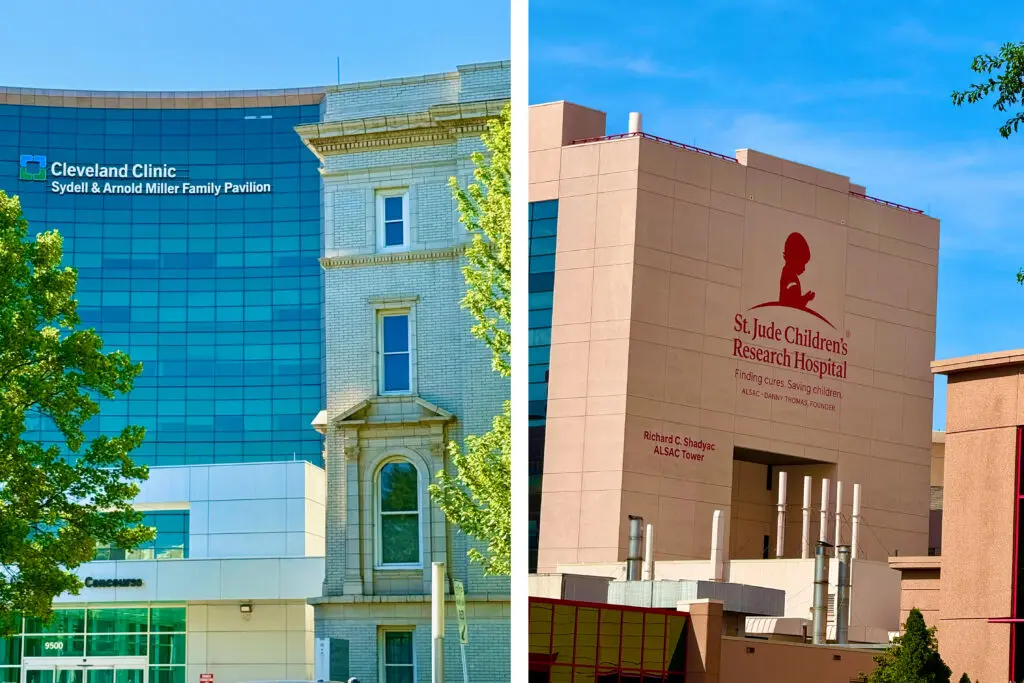
I recently toured 10 cities across the US, visiting more than 30 leading institutions to learn from their best practices in health philanthropy. The goal was to accelerate the NORTH Foundation’s 2025–2029 strategic plan and develop a blueprint for transformational change. Each one generously welcomed me, shared their insights and offered valuable lessons in innovation, strategy and impact that are now helping to shape our future.
Philanthropy embedded in clinical culture
At leading US institutions, philanthropy is not a separate function – it’s a strategic pillar embedded directly into the clinical environment. These organisations have cultivated a culture where giving is part of the patients’ healing journey, and clinicians feel empowered as philanthropic partners.
Doctors, nurses and care teams are trained to recognise moments of gratitude and identify patients who may be open to giving back. This isn’t left to chance – it’s supported by structured programs, collaborative rounds with development officers, and monthly screenings of patient lists to surface potential donors. Warm introductions from trusted clinicians create a natural bridge between care and contribution, nurturing relationships built on trust.
Crucially, these efforts are supported by ethical opt-out data access models, allowing development teams to view limited patient information, such as name, visit date and attending clinician, while maintaining strict privacy safeguards. This real-time access enables timely donor engagement and ensures that philanthropy is responsive, respectful and deeply personal.
“Philanthropy becomes part of the patient experience, not an afterthought.”
Grateful patient fundraising: the growth engine
Grateful patient fundraising is the cornerstone of the foundations I visited and the single most powerful driver of major gift growth. These organisations have elevated this strategy into a disciplined, data-informed and ethically grounded practice that transforms bedside gratitude into lasting philanthropic impact.
Such programs begin with structured access to limited patient data, enabled through opt-out consent models that comply with privacy regulations while preserving donor trust. Development teams use this data to conduct daily or weekly wealth screenings, identifying high-potential prospects in real time. But the magic happens at the intersection of care and connection.
Clinicians are trained to make warm referrals, often initiating contact through personalised letters, collaborative rounds, or direct introductions to development officers. This approach creates a seamless continuum between healing and giving. Patients who feel deeply cared for are offered a meaningful way to give back, and clinicians become trusted bridges to philanthropy.
“Grateful patient fundraising is not a nice-to-have, it’s critical.”
Data, talent and boards that drive scale
In the US, data isn’t just a tool – it’s a strategic growth engine. Health foundations have built sophisticated ecosystems that harness data to drive donor engagement, optimise fundraising outcomes and personalise stewardship at scale. The result is a dynamic, responsive fundraising strategy where high-value prospects are identified, qualified and engaged with precision.
Financial sustainability is a defining characteristic of the most successful US health foundations. They have adopted robust financial models that not only support day-to-day operations but also enable long-term strategic growth. These models treat philanthropy not as a cost centre, but as a strategic asset – integral to the institution’s mission and future.
Many of the highest-performing US health foundations have built their success on more than just strategy – they’ve invested deeply in the people and structures that bring philanthropy to life. Their development teams are multidisciplinary, specialised and mission-aligned, designed to deliver high return on investment and build long-term donor relationships.
Board engagement at these foundations is more than ceremonial – it drives real impact. These institutions have redefined the role of their boards, transforming them from passive overseers into active drivers of philanthropic success. Board members are not just expected to give; they are empowered to lead.
“Philanthropy must be resourced to thrive, and that begins with a financial model designed for growth.”
From benchmarking to bold action
Australia has made meaningful progress in healthcare philanthropy, and in many ways shares foundational similarities with the US. However, the benchmarking tour revealed that the US operates at a fundamentally different scale in both ambition and infrastructure.
Yet the gap is not insurmountable. With bold leadership, ethical innovation and strategic investment, Australia can accelerate its philanthropic maturity.
My insights from a benchmarking tour across the US confirmed a powerful truth: transformational philanthropy is possible and can be replicated. We must embed philanthropy into clinical culture – not as an afterthought, but as a core component of the care experience. We must invest in specialised talent, build multidisciplinary teams and structure our organisation for growth. And we must secure ethical access to patient data, enabling real-time donor identification and personalised engagement, while safeguarding trust.
The NORTH Foundation is ready to lead this shift for ourselves and for the future of Australian healthcare philanthropy. The time for benchmarking is over. The time for bold, disciplined and enduring action is now.