A groundbreaking $2.6 million Medical Research Future Fund (MRFF) grant will support a major national study to reduce low-value care for people living with knee osteoarthritis (OA) – a condition affecting millions of Australians and costing the health system an estimated $4.3 billion each year.
Led by Dr Jillian Eyles and Professor David Hunter at the Kolling Institute, the project – Assessing a multicomponent strategy designed to reduce low-value care for knee osteoarthritis – will test a practical new approach to help health professionals provide the right care at the right time, while reducing unnecessary imaging and procedures.
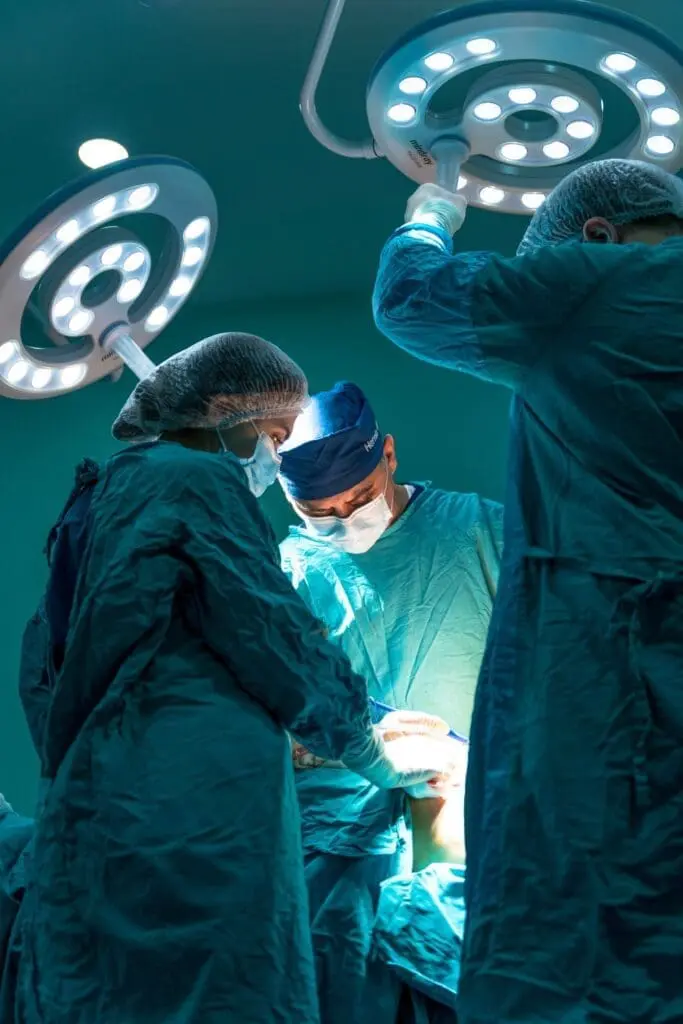
Although clinical guidelines recommend education, exercise and weight management as the most effective first steps, two in three Australians with osteoarthritis do not receive this recommended care. Instead, many people are referred for unnecessary scans, specialist appointments they don’t need and, in some cases, arthroscopic knee procedures – treatments that often provide little benefit and can expose patients to harm.
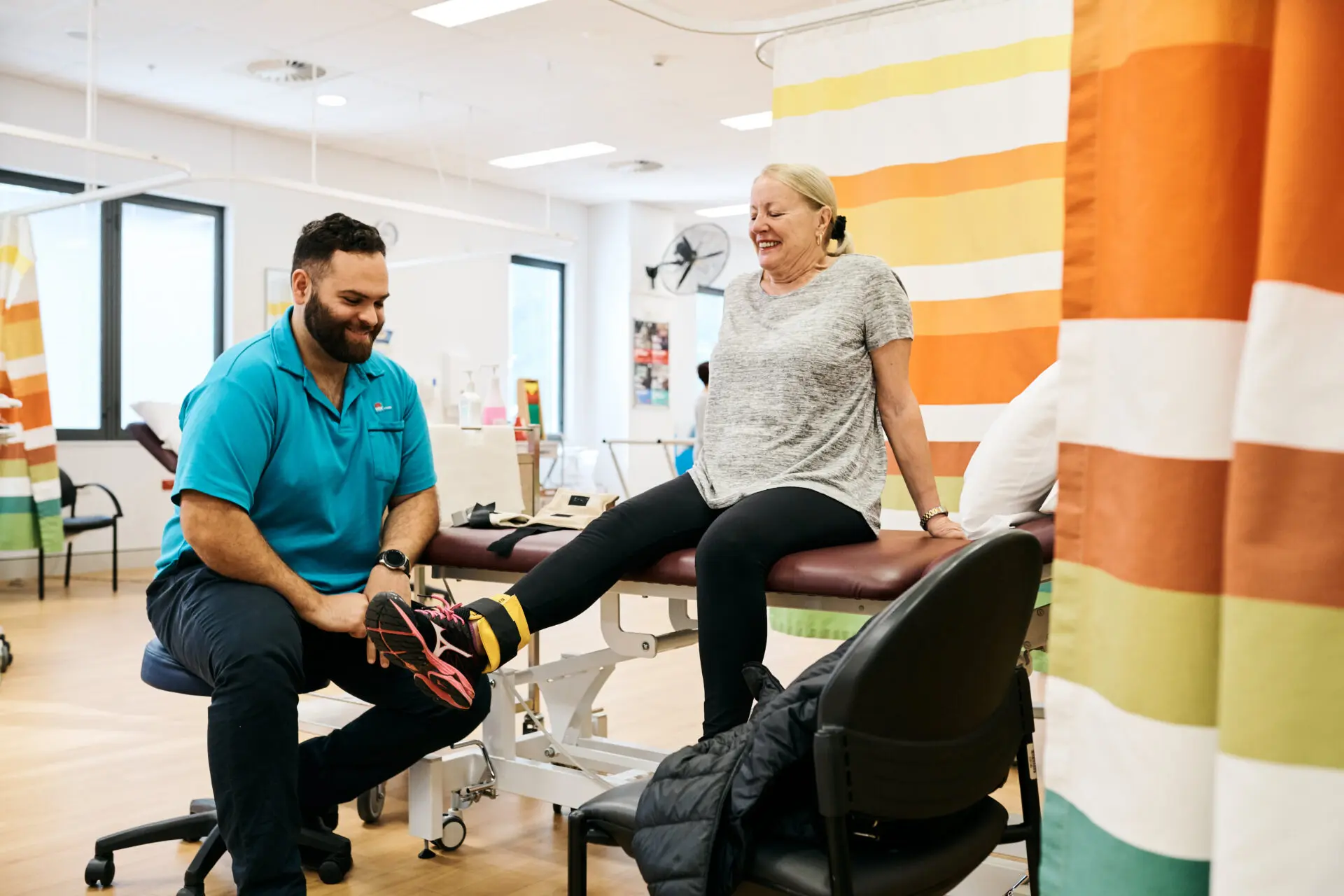
This new MRFF-funded study will support GPs and physiotherapists in areas of Australia where unnecessary knee procedures are more common, giving them tools and practical support to confidently deliver evidence-based care.
Using mapping data, researchers will identify regions where low-value care – including arthroscopic procedures – is most frequently used. Health professionals and people living with osteoarthritis in these areas will receive targeted education, resources and support, while outcomes such as surgery rates, imaging and specialist referrals are tracked over two years.
Dr Jillian Eyles said the project is about improving both patient experience and health outcomes.
“We know that for many people, the journey into unnecessary osteoarthritis care starts with a scan. That scan can lead to referrals and procedures that don’t necessarily improve pain or function,” Dr Eyles said.
“We believe we can reduce the burden of painful knee osteoarthritis in Australia by making some simple, practical changes to how it is diagnosed and managed. If we can support clinicians to feel confident diagnosing knee OA without unnecessary imaging – and support patients to understand and feel comfortable with that approach – we can begin to interrupt that pathway.”

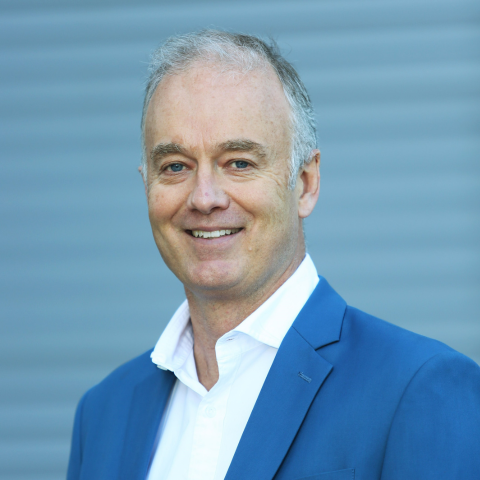
Professor David Hunter said the heart of the project lies in restoring confidence in evidence-based care.
“Exercise, education and weight management are proven to help people live well with osteoarthritis. Yet too often, these are overlooked in favour of quick fixes that don’t address the underlying issue,” Professor Hunter said.
“This study is about backing our clinicians with the tools and support they need to deliver best-practice care and empowering patients to expect and ask for that care. If we get this right, we won’t just reduce unnecessary procedures; we’ll improve mobility, reduce pain and help people stay active and independent for longer.”
Importantly, the MRFF success was made possible by early philanthropic seed funding from the Girgensohn Foundation, which enabled the team to generate the preliminary evidence required to secure national investment.
Dr Eyles acknowledged the critical role of philanthropy in translating ideas into impact.
“We are deeply grateful to the Girgensohn Foundation and to the NORTH Foundation for believing in this idea early. Their support helped us build the foundations needed to attract this national funding. It’s a powerful example of how philanthropy can catalyse change at scale.”
By improving how osteoarthritis care is delivered across Australia, this project has the potential to reduce unnecessary procedures, ease pressure on the health system, and most importantly, help people better manage their condition for improved mobility, reduced pain and to do the things life they that are important to them, and that they enjoy.
To support osteoarthritis research, click here: