Frank had always considered himself fit and healthy and not someone who would ever have a heart attack. After taking a break from the corporate world, he threw himself into helping his son’s business, renovating the family home and planning a long-awaited overseas holiday with his wife Lisa. Then a casual conversation with a relative changed everything.
He discovered that several family members had suffered heart attacks; however, some had experienced no obvious symptoms, including one who tragically passed away in their early 60s – at the same age as Frank.
During the discussion, Frank learned about a non-invasive scan called a coronary artery calcium score (CACS). This test detects calcified plaque in the coronary arteries – a key indicator of heart disease. It helps assess a person’s risk of heart attack or stroke even when no symptoms are present.
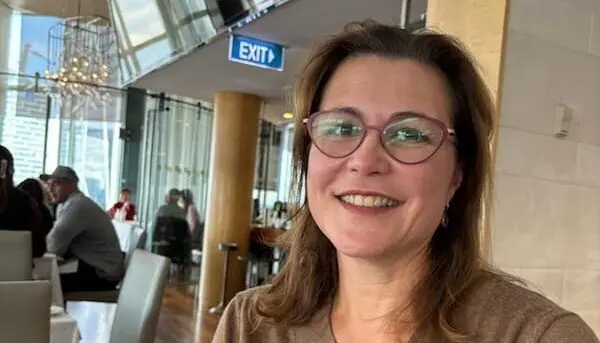
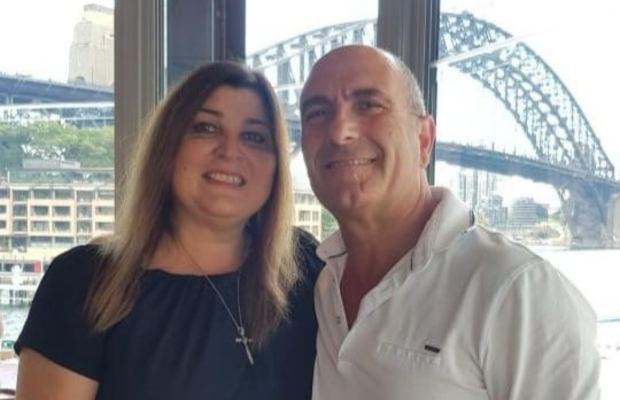
Concerned he might be at risk, Frank asked his doctor for a referral for both himself and his wife Lisa. The results were shocking. While Lisa had a score of zero, Frank’s score was 960, which indicated a significantly elevated risk of a future heart attack.
He was referred to cardiologist A/Prof Rebecca Kozor at Royal North Shore Hospital (RNSH) where he underwent a stress test and an electrocardiogram which records the heart’s electrical activity. The results appeared promising, but A/Prof Kozor recommended an additional test – a computed tomography coronary angiography (CTCA) to gain a clearer picture of his heart and coronary arteries.
Confronting news: Heart surgery
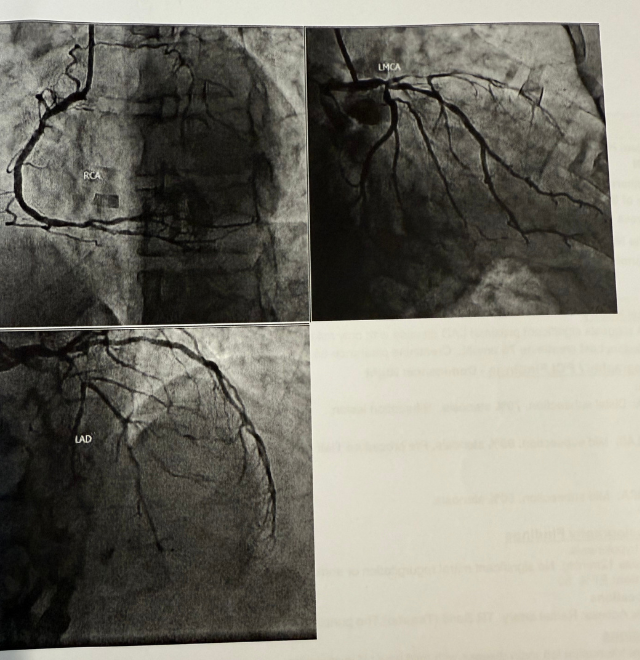
At the follow-up appointment, the CTCA revealed two arteries were significantly narrowed by plaque build-up, including the left anterior descending artery (LAD), the heart’s largest artery. Frank was then referred to interventional cardiologist Dr Michael Ward for an invasive coronary angiogram and possible stent insertion.
Frank admits the diagnosis was confronting. Initially scheduled for an angiogram and stent, he awoke to unexpected news. Dr Ward explained that his LAD was critically narrowed along with two further arteries, and that his best chance of survival and long-term heart function was urgent bypass surgery.
Frank was overwhelmed and emotional at the thought of major surgery.
“I just keep wondering, how can I be in this position?” said Frank. “I was active and had no symptoms.”
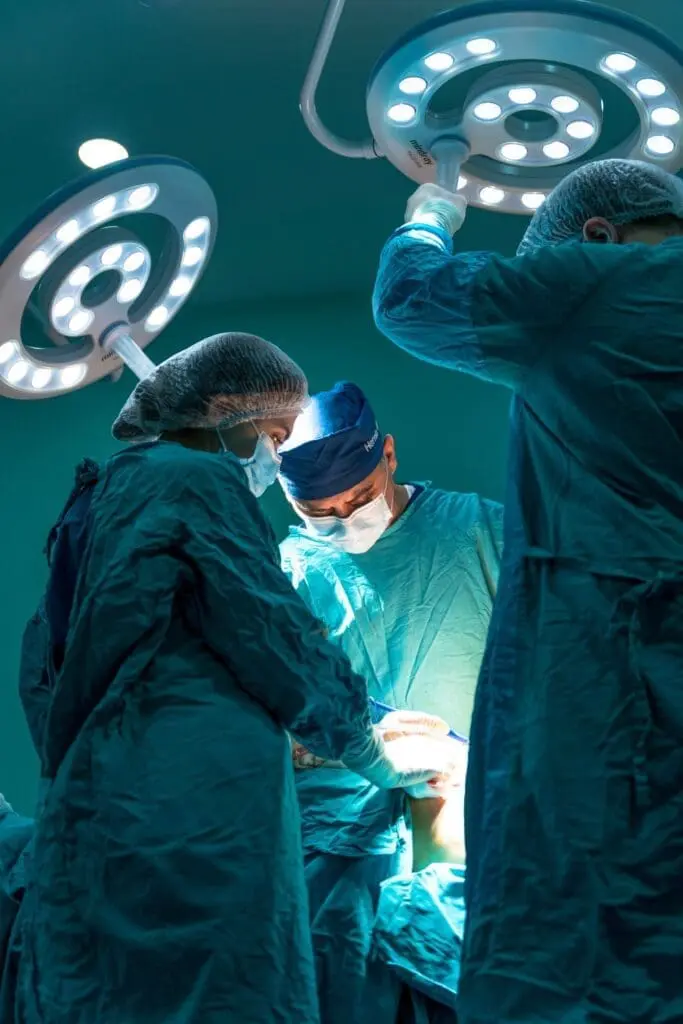
Cardiothoracic surgeon Dr Manu Mathur performed a triple bypass during an open-heart operation, using two internal mammary arteries and grafting a vein from Frank’s leg to reroute blood flow and restore circulation to his heart.
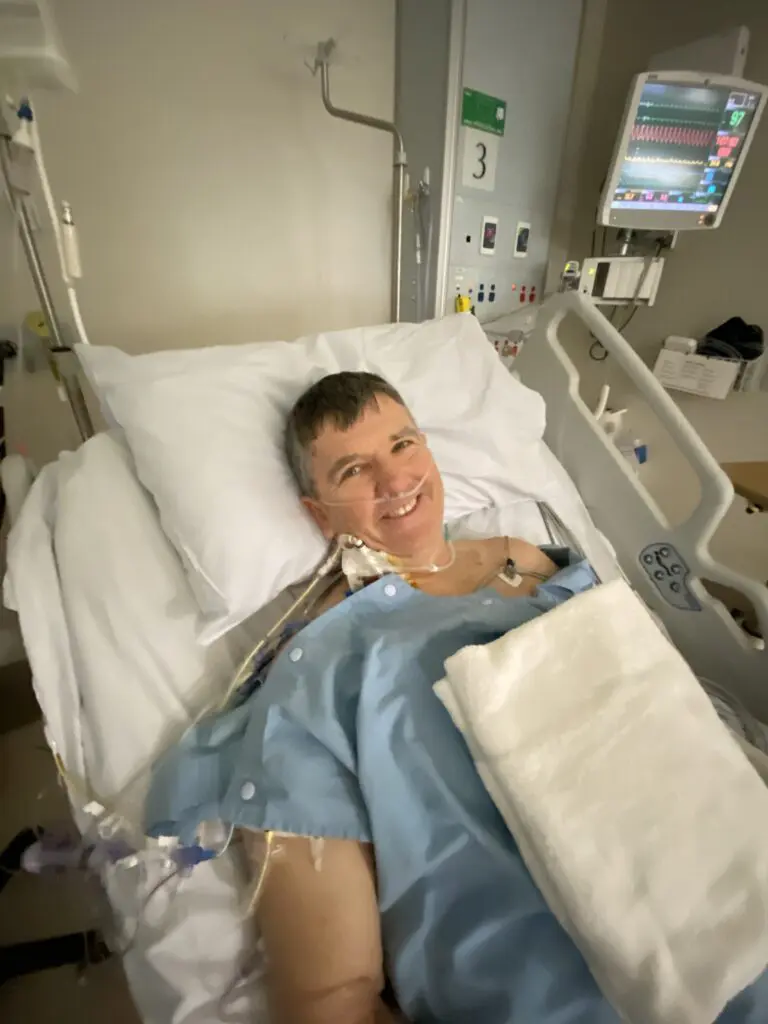
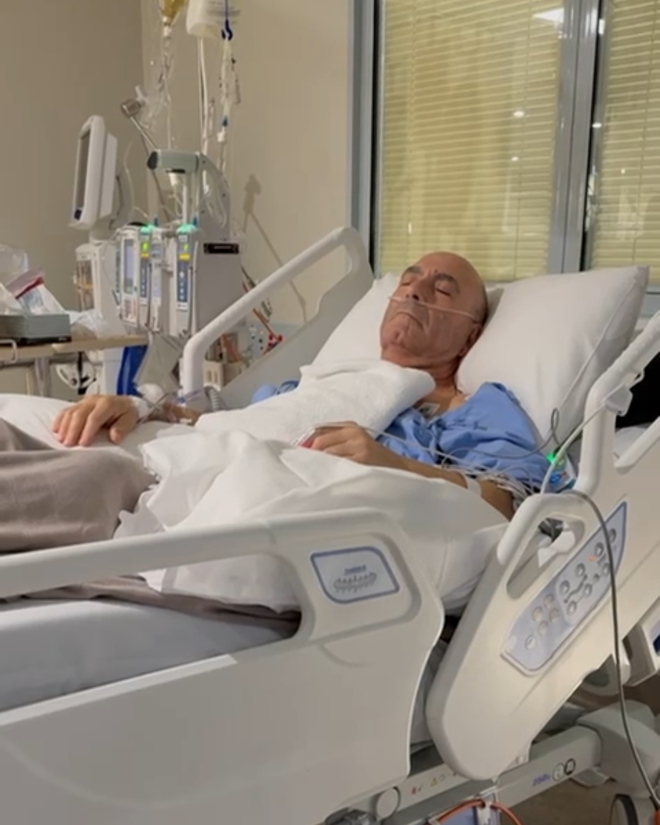
Frank recalls the first few days in ICU post-surgery as tough. He was experiencing pain, vulnerability, and he was uncomfortable, but he was grateful to be alive.
Following a week recovering on the ward, he was discharged to recuperate at home.
Recovering from a heart attack
While recovering in hospital, physiotherapists recommended he attend the no-charge cardiac rehabilitation program at RNSH.
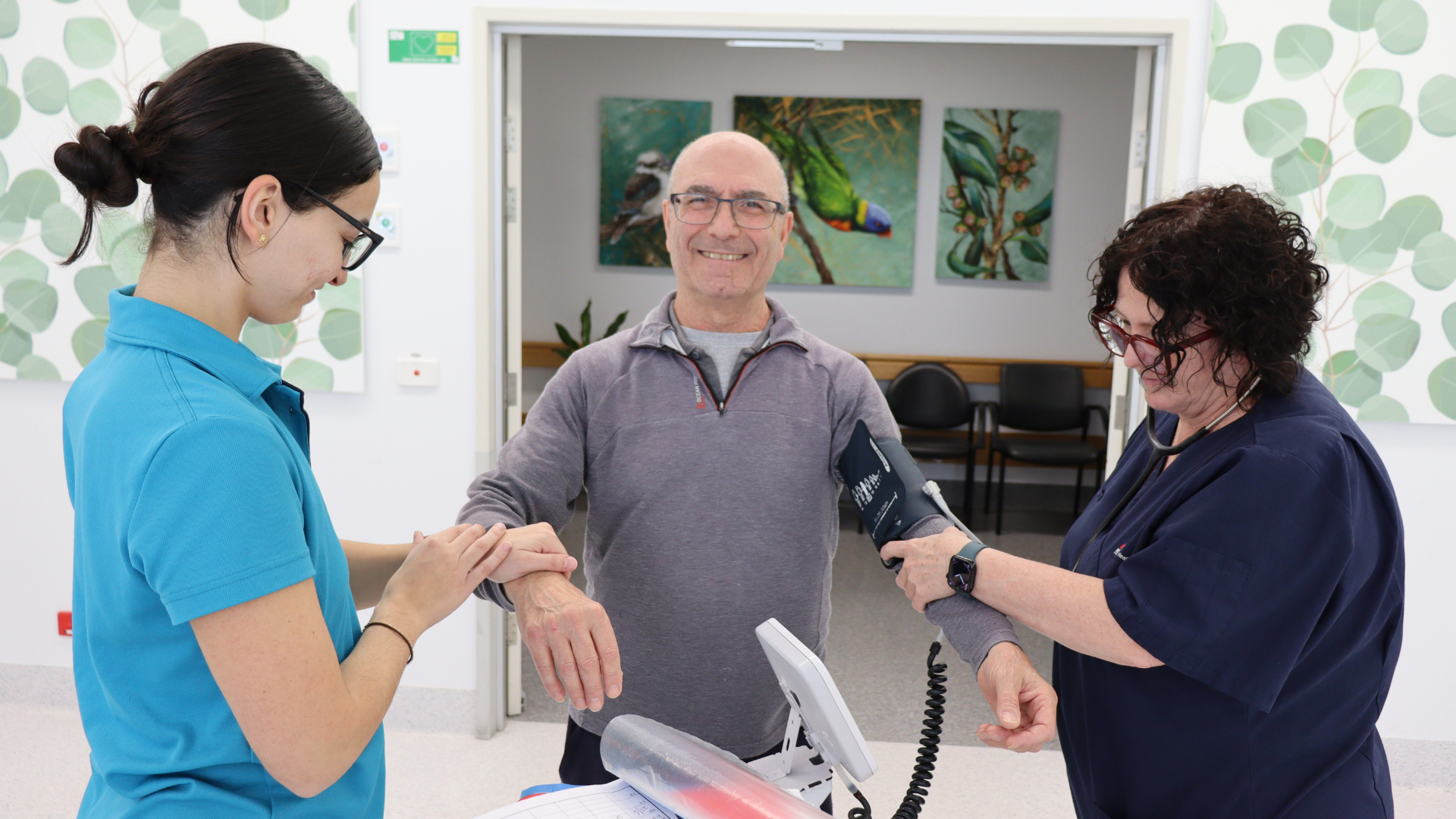
“We treat patients with diagnosed heart conditions at the cardiac rehabilitation unit,” said Nurse Manager, Maura Farrell. “Our multidisciplinary team provides important ongoing care and support for patients recovering from a heart event, using a combination of prescribed exercise, education and assessment.”
Frank began attending classes six weeks post-surgery and was surprised by the diversity of participants as many were younger than he expected. He found comfort in sharing experiences and learning that others had similar challenges, like disrupted sleep patterns.
“I attended twice a week and had the opportunity to talk to other patients,” said Frank. “It was a pleasure to share information and camaraderie. The healthcare team genuinely cared about my recovery, even following up when I had a swollen face from a food allergy and a minor accident at home.”
Frank now encourages others with a family history of heart disease to ask their doctor about getting a CACS scan. He shares his story widely, knowing that early detection saved his life.
Reflecting on that day, Frank says his brush with death could have ended tragically if he hadn’t taken that simple step.
If you would like to help more people like Frank in their recovery from a heart event, please donate to RNSH Cardiac Rehab.