Life is precious.
But it becomes even more precious the moment you hear the words: “You have cancer.”
And I’ve heard those words twice.
Cancer was not unfamiliar to Carolyn. Her mother was diagnosed with breast cancer in her mid-50s during the early 1980s. At that time, treatment options were limited largely followed a broad “one size fits all” approach with little ability to tailor treatments to individual patients. Despite undergoing treatment, her mother sadly passed away two years later.
Breast cancer diagnosis
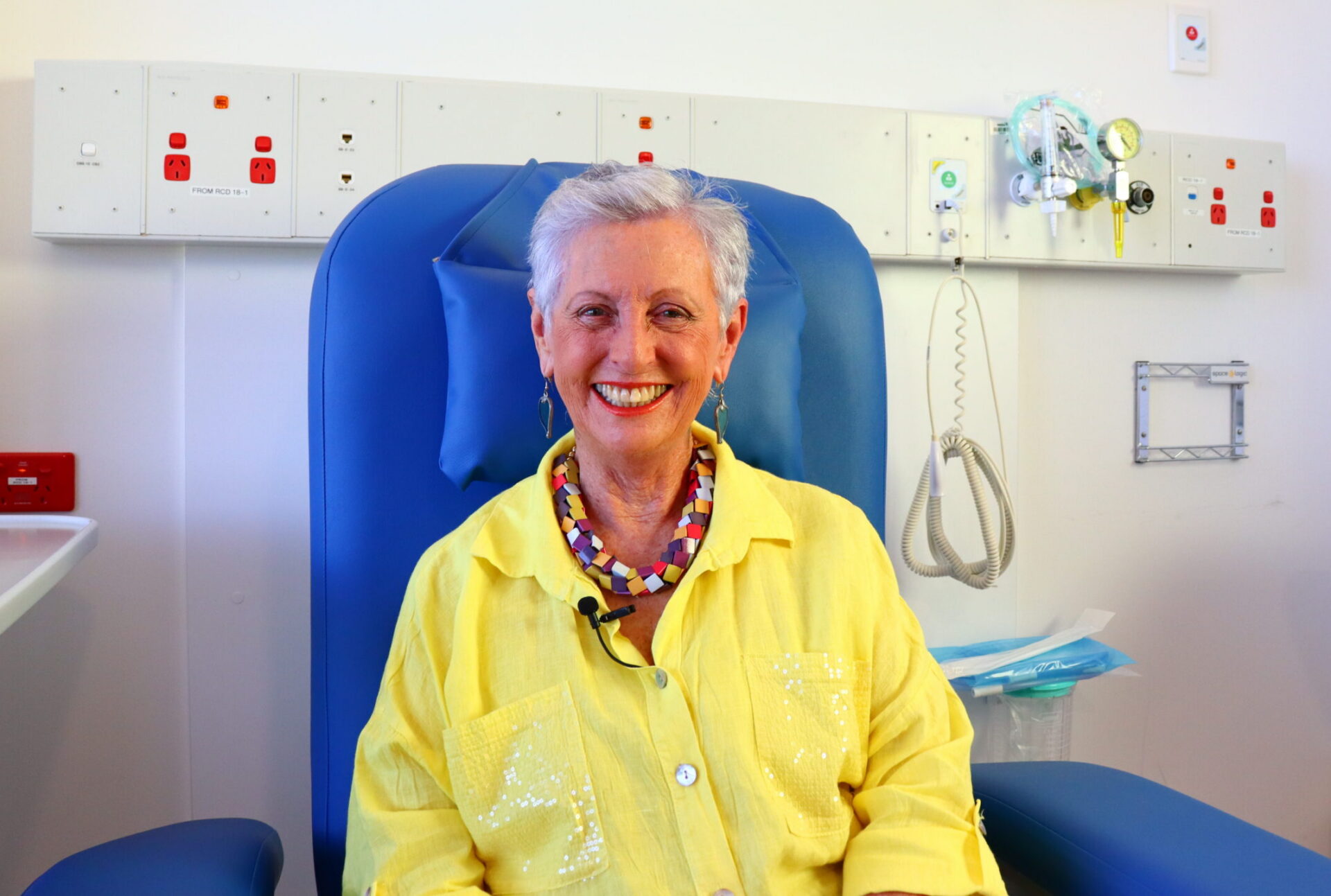
In 2008, at the same age as her mother was diagnosed, Carolyn received a breast cancer diagnosis. While initially distressing, she understood that cancer care had changed significantly over the previous decades. Early detection technologies had improved; survival rates had increased, and patients now had access to a wider range of tailored treatment options and specialist care.
Carolyn was able to take an active role in discussions with her doctors and consider different treatment pathways. Advances in breast reconstruction, improved medications and more targeted approaches to care were all available to her – options that didn’t exist at the time of her mother’s diagnosis.
Carolyn underwent surgery followed by chemotherapy and hormonal tablets. Although treatment was demanding, she experienced very few side effects. After five years of follow-up, she was cancer-free and thought her cancer journey was finally behind her.
Pancreatic cancer diagnosis
However, in late 2019, during retirement, she began to feel unwell and sensed something was wrong. Her doctor ordered a series of investigative tests including an endoscopy and fine needle aspiration which identified a small tumour on her pancreas.
Once again, she heard those words: “You have cancer” – but this time, it was pancreatic cancer.
For 11 years, Carolyn had been cancer free, and bleak statistics now flooded her thoughts with this news. She understood there was a significant difference in survival rates between a breast cancer diagnosis and one for pancreatic cancer. Carolyn thought she might be facing her last Christmas.
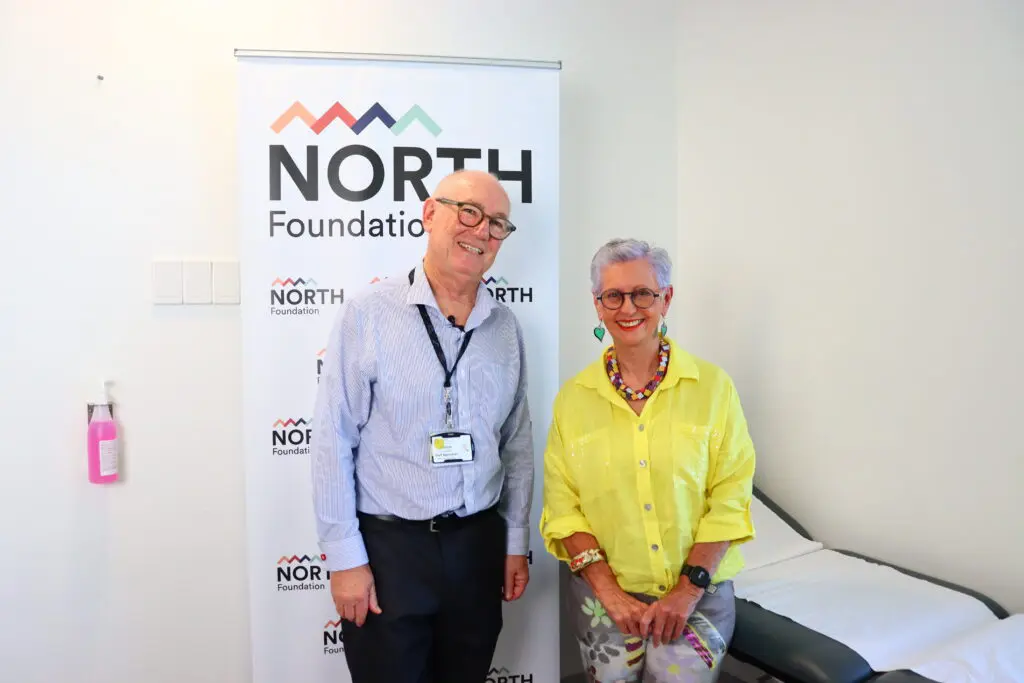
She was referred to Professor Stephen Clarke OAM, a senior medical oncologist at Royal North Shore Hospital. Carolyn recalls how calmly and clearly he explained her diagnosis and the path forward.
Modern cancer treatment approaches
As Carolyn had already undergone chemotherapy years earlier, Professor Clarke recommended surgery followed by chemotherapy even though it was a small primary. Chemotherapy given before (neoadjuvant) or after (adjuvant) is used to target cancer cells early and improve outcomes in pancreatic cancer.
“Neoadjuvant or adjuvant therapy has become standard care on the North Shore campus,” Professor Clarke explained. “By treating circulating cancer cells before they spread, it has helped transform outcomes for patients. Our multidisciplinary approach has led to the best pancreatic survival rates in Australia.”
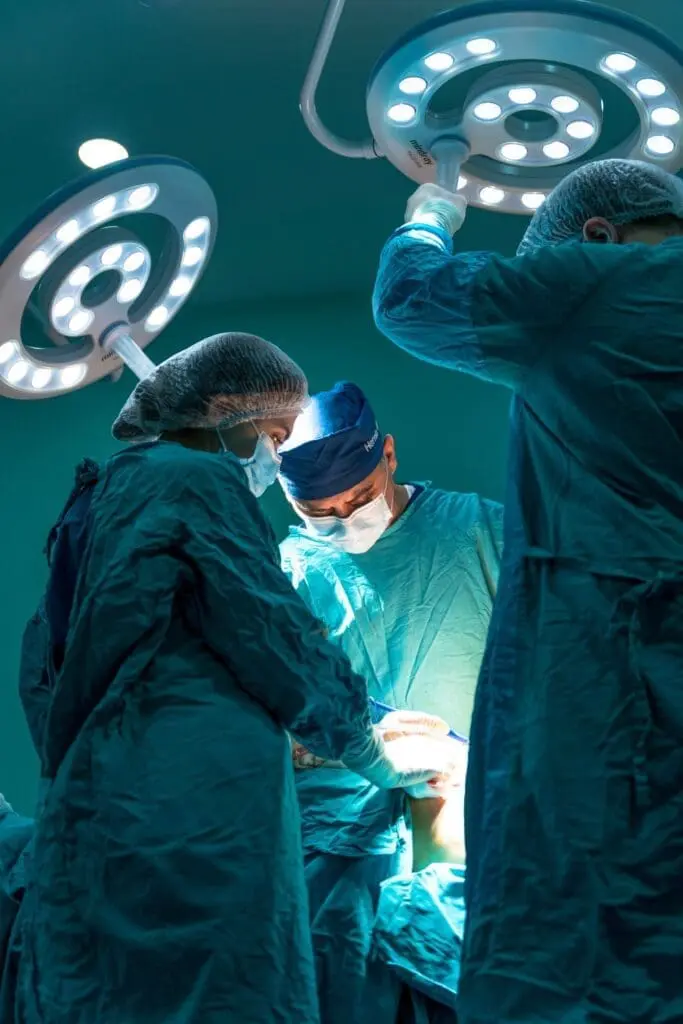
In January 2020, pancreatic surgeon Professor Jaswinder Samra OAM removed the section of Carolyn’s pancreas containing the tumour, along with her spleen and surrounding lymph nodes. Clear surgical margins were achieved, giving her the best possible chance of preventing the cancer from returning.
Following surgery, Carolyn undertook adjuvant chemotherapy. Unlike her experienced 11 years earlier, she did not lose her hair, and fatigue was her only side effect.
Self-care following cancer treatment
While her medical team focused on her treatment, she was able to concentrate on maintaining her overall wellbeing through regular exercise, healthy nutrition, rest and mindfulness practices. She says the most important aspect was being fully present in each activity – especially when she went walking. She made it a point to observe the beauty of nature. Her mind was fully focused on one thing: healing.
After the final round of chemotherapy, she didn’t need any more treatment. She continues to have regular scans and blood tests, and she has now been cancer-free for six years.
“I am thankful and feel truly blessed that I can enjoy life, my family and friends. I am able to continue staying active and travelling,” said Carolyn.
Progress in cancer care
Carolyn credits her positive outcomes to early detection, specialist medical teams, coordinated care and substantial advances in cancer treatment over recent decades. She speaks highly of the oncology nurses, cancer nurse coordinators and multidisciplinary teams who supported her throughout both cancer diagnoses.
Looking back, she notes the rapid development of clinical trials, targeted therapies and new medications that have transformed cancer care and improved survival and quality of life for many patients.
She often tells people – we are truly fortunate to live in a country that not only values and supports cancer research but is constantly striving toward the ultimate dream: A cure for cancer.
Supporting future progress
The advances that support Carolyn’s treatment are the result of sustained investment in cancer research, clinical trials and healthcare services.
Donor support plays a critical role in enabling continued innovation, supporting medical teams and improving outcomes for people facing cancer now and in the future.
If you would like to support advances in cancer treatment, please make a donation.