Give the gift of health. Support our Christmas Appeal.

Trek El Camino de Santiago. Register today.

Read our Annual Report 2024-2025.

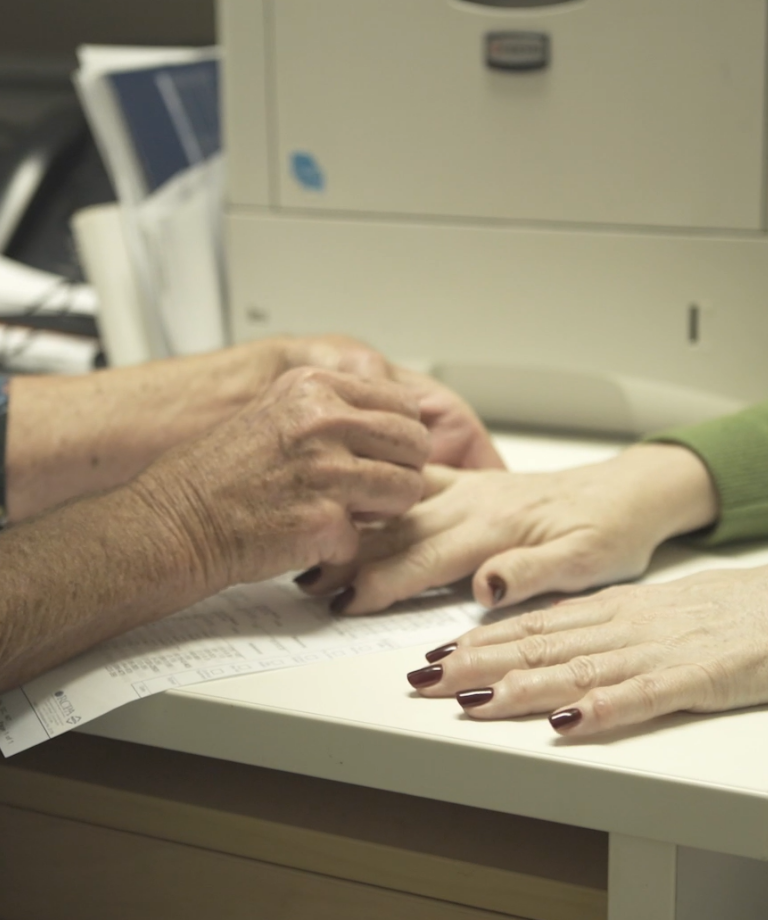
Hand exam

Support Inflammatory Arthritis and Autoimmune Rheumatic Diseases Research

Research into Rheumatoid Arthritis, Psoriatic Arthritis, Lupus, Juvenile Arthritis, and other autoimmune and inflammatory conditions is essential. Advancing this work is key to driving new diagnostics, targeted treatments, and personalised care for those living with these complex, lifelong conditions.
Kolling Institute
6 Projects
View Facility
2%
$300,000
$5,973
$294,027

Transforming care for inflammatory arthritis and autoimmune diseases

including rheumatoid arthritis, psoriatic arthritis, ankylosing spondylitis, juvenile idiopathic arthritis, vasculitis, scleroderma, systemic lupus erythematosus, Sjögrens and myositis.

Inflammatory arthritis and autoimmune rheumatic diseases are chronic, immune-mediated conditions. They occur when the immune system mistakenly attacks the body’s own tissues, often affecting not only the joints but also organs such as the skin, lungs, eyes, and blood vessels. These diseases can cause lifelong pain, fatigue, joint damage, and disability, often emerging in childhood or early adulthood. While treatments exist, many people do not respond well, and there is still no cure.

The Australian Arthritis and Autoimmune Biobank Collaborative (A3BC), together with the NHMRC Centre of Research Excellence for Better Outcomes in Inflammatory Arthritis, is a national initiative led from the Kolling Institute. The multidisciplinary team is dedicated to improving the lives of people affected by painful and disabling joint and immune system conditions.

The team runs a comprehensive research program, spanning clinical, translational, and discovery science, to develop new treatments, enable earlier and more accurate diagnoses, and deliver personalised care. This work is underpinned by their national biobank and registry infrastructure, and a suite of innovative clinical trials.

By supporting this work, you are helping to improve outcomes for Australians living with these conditions and accelerating global progress in autoimmune and musculoskeletal health.


Rheumatoid Arthritis Demographics in Australia

514,000 Australians live with rheumatoid arthritis (RA)

That’s 2% of the population living with RA nationwide.

35-64: Most common age for RA onset

RA affects more females (2.5%) than males (1.6%) in this age group.

Up to 30,100 young Australians have inflammatory arthritis

Between 18,500-30,100 people aged 0-24 are estimated to be living with inflammatory arthritis.
A male and female researchers in lab
YOUR SUPPORT MATTERS

Advancing Research in Autoimmune and Inflammatory Arthritis

Despite their significant impact, inflammatory arthritis and autoimmune rheumatic diseases are under-researched and underfunded.

Your support can help us:

  • Identify biomarkers for faster, more accurate diagnosis
  • Discover new drug targets to slow or stop disease progression
  • Develop personalised treatment approaches
  • Launch and expand clinical trials
  • Improve quality of life for people with autoimmune conditions

Every donation helps drive discoveries that reduce pain, restore movement, and return independence to those affected. Help us build a future where no one has to live with the pain and uncertainty of inflammatory arthritis or autoimmune disease.

Support this project

The Hidden Burden of Autoimmune and Inflammatory Arthritis

Immune-driven and unpredictable

Caused by an overactive immune system, these conditions can trigger sudden flares of pain, swelling, fatigue, and inflammation.

Often misdiagnosed or diagnosed late

Many people face delayed diagnoses, leading to irreversible joint damage. Earlier detection is critical for better outcomes.

Growing numbers, rising costs

Inflammatory arthritis and autoimmune diseases are increasing, affecting hundreds of thousands of Australians and straining healthcare systems.

A leading cause of disability

These diseases often strike young people and can severely impact mobility, independence, and quality of life.

Significant mental health impacts

Anxiety and depression are far more common in people living with autoimmune conditions, compounding their daily challenges.

Research Areas of Need

Man in laboratory with tubes and laptop
NHMRC Centre of Research Excellence and A3BC National Biobank and Registry

This national collaborative initiative integrates national disease registries, biobank infrastructure and clinical trials networks to drive innovation in rheumatology care and research.

Key Objectives:
• A3BC National Registry & Biobank: Recruiting adults with inflammatory arthritis and autoimmune diseases to collect samples and track health over time.
• A3BC for Kids: A dedicated paediatric arm collecting samples and data from children with juvenile idiopathic arthritis (JIA) and related conditions.
• AJAR (Australian Juvenile Arthritis Registry): A national registry for young people with JIA and other childhood rheumatic diseases.
• Clinical trials, consumer and clinician partnerships, data sharing and collaboration.

Female researcher looking into a microscope
Sutton Laboratory

Laboratory-based discovery research using human samples and preclinical models to understand disease mechanisms and identify new therapeutic targets.

Key objectives:
• Investigating the role of endothelial protein C receptor (EPCR) as a biomarker and therapeutic target in rheumatoid arthritis.
• Exploring how the oral and gut microbiota influence immune dysregulation in inflammatory arthritis.
• Developing biomarkers to support earlier, more accurate diagnosis.
• Testing new biologics and small-molecule inhibitors in preclinical models to fast-track discovery.

Meet The Team

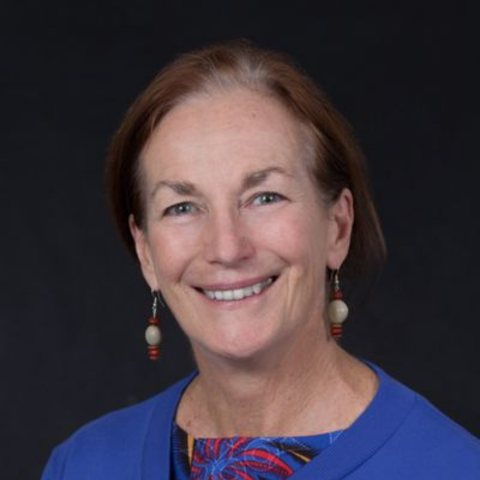
Lyn March
Professor Lyn March
Senior Staff Specialist in Rheumatology, Royal North Shore Hospital; Liggins Professor of Rheumatology and Musculoskeletal Epidemiology, University of Sydney
Associate Professor Meilang Xue
Head of the Sutton Laboratory, Kolling Institute
You can shape the future of healthcare for all
Give a gift that makes a real difference to our healthcare staff and facilities so they can deliver the best patient care.
Skip to content